

Hey there! As a supplier of GR.23 Titanium Rod, I often get asked a bunch of questions about these rods. One question that pops up quite a bit is, "Can GR.23 Titanium Rod be anodized?" Well, let's dig into this topic and find out.
First off, let's talk a bit about what GR.23 Titanium Rod is. GR.23 titanium, also known as Ti-6Al-4V ELI, is a high - performance titanium alloy. It's got a great combination of strength, low density, and excellent corrosion resistance. This makes it super popular in a whole bunch of industries, like aerospace, medical, and marine.
Now, anodizing. Anodizing is a process where you use an electrical current to create an oxide layer on the surface of a metal. This oxide layer can do a bunch of cool things. It can make the metal more resistant to corrosion, it can change the appearance of the metal, and it can also improve the wear resistance.
So, can GR.23 Titanium Rod be anodized? The short answer is yes. Titanium is one of those metals that can be anodized. When you anodize GR.23 Titanium Rod, you're essentially creating a titanium dioxide (TiO₂) layer on the surface. This layer is very thin, but it can have a big impact.
The anodizing process for GR.23 Titanium Rod is a bit different from some other metals. You need to use an electrolyte solution, usually something like sulfuric acid or phosphoric acid. Then, you connect the titanium rod to the positive terminal of a power supply (this makes it the anode, hence the name "anodizing"), and you have a cathode (usually made of a different metal) in the solution too. When you turn on the power, an electrical current flows through the solution, and the titanium on the surface of the rod starts to react with the oxygen in the solution to form the oxide layer.
One of the really cool things about anodizing GR.23 Titanium Rod is that you can control the color of the anodized layer. By changing the voltage during the anodizing process, you can get different colors. For example, at lower voltages, you might get a pale yellow or gold color. As you increase the voltage, you can get colors like blue, purple, and even black. This is really useful if you want to use the rods for decorative purposes or if you need a specific color for a particular application.
Another benefit of anodizing GR.23 Titanium Rod is the improved corrosion resistance. The titanium dioxide layer acts as a barrier between the metal and the environment. This means that the rod is less likely to corrode, even in harsh conditions. This is especially important in industries like marine, where the rods are constantly exposed to saltwater.
In the aerospace industry, anodized GR.23 Titanium Rods can also be used for their improved wear resistance. The oxide layer is harder than the base metal, so it can withstand more friction and abrasion. This can extend the lifespan of the rods and reduce the need for frequent replacements.
Now, I want to mention a few related products. If you're interested in other titanium products, we also supply GR1 Titanium Wire Rod. GR1 titanium is a pure titanium grade, and it's known for its excellent formability and corrosion resistance. It's often used in applications where you need a lightweight and corrosion - resistant material, like in the chemical processing industry.
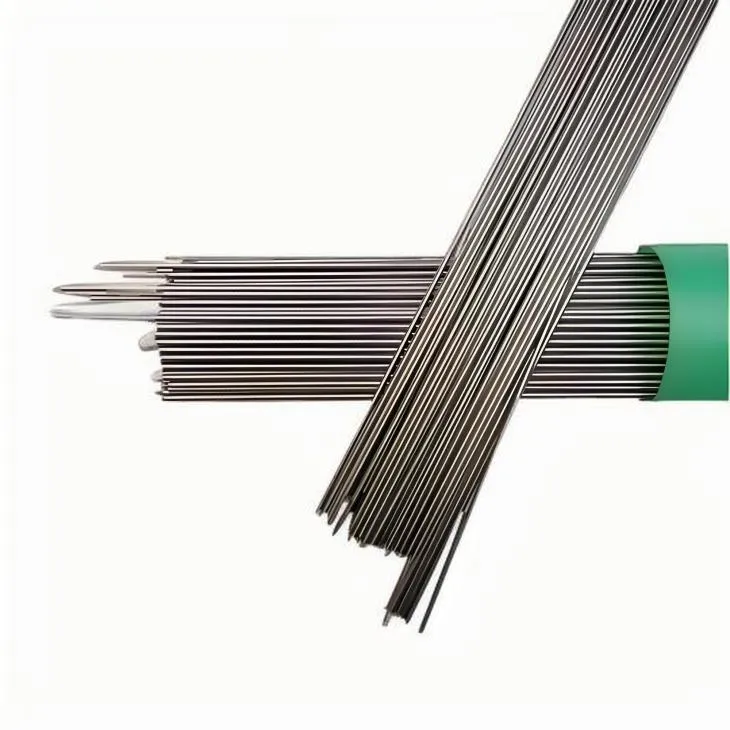

We also have Titanium Alloy Grade 1 Filler Wire (ERTi - 1). This filler wire is used for welding titanium materials. It's got great welding properties and can help you create strong and reliable welds.
And if you're looking for welding wire, our Pure Titanium Welding Wire is a great option. It's made from high - quality pure titanium and can be used for a variety of welding applications.
But let's get back to anodizing GR.23 Titanium Rod. There are a few things to keep in mind when anodizing. First, the surface of the rod needs to be clean before you start the anodizing process. Any dirt, oil, or grease on the surface can affect the quality of the anodized layer. You might need to clean the rod using a degreaser or a special cleaning solution.
Second, the anodizing process needs to be carefully controlled. The voltage, the current, and the time that the rod is in the electrolyte solution all need to be just right. If you use too high a voltage or leave the rod in the solution for too long, you might end up with a rough or uneven anodized layer.
If you're thinking about using anodized GR.23 Titanium Rods for your project, I'd be more than happy to help. Whether you need advice on the anodizing process, or you're just looking to purchase the rods, I'm here to assist. We've got a wide range of GR.23 Titanium Rods in different sizes and specifications, and we can also provide custom anodizing services if you need a specific color or finish.
So, if you're interested in learning more or want to start a purchase, feel free to reach out. I'm always ready to have a chat and help you find the best solution for your needs.
In conclusion, GR.23 Titanium Rod can definitely be anodized, and there are a lot of benefits to doing so. Whether it's for improved corrosion resistance, wear resistance, or a cool decorative look, anodizing is a great option for GR.23 Titanium Rods. And if you're in the market for these rods or related products, don't hesitate to contact me.
References:
- ASM Handbook Volume 5: Surface Engineering
- Titanium: A Technical Guide by John R. Welch


