

Hey there! I'm a supplier of Titanium Wire for Aerospace, and today I wanna chat about a pretty important topic: how to deal with the waste titanium wire from aerospace manufacturing.
The Problem of Waste Titanium Wire in Aerospace Manufacturing
Aerospace manufacturing is a high - tech industry that demands top - notch materials, and titanium wire is one of the stars. It's strong, lightweight, and corrosion - resistant, making it perfect for all sorts of aerospace applications. But here's the thing: with great production comes a fair amount of waste. During the manufacturing process, there's always some titanium wire that gets cut, shaped, or otherwise becomes waste.
This waste isn't just a pile of metal; it's a resource that can either be a burden or an opportunity. On one hand, if not handled properly, waste titanium wire can take up a lot of space in storage, and there are costs associated with storing it. On the other hand, if we can find ways to deal with it effectively, we can turn this waste into something valuable.
Recycling: The First Step
One of the most obvious ways to deal with waste titanium wire is recycling. Recycling waste titanium wire has several benefits. First of all, it helps conserve natural resources. Mining and processing new titanium ore is an energy - intensive and environmentally - impactful process. By recycling, we can reduce the need for new ore extraction.
Secondly, recycling can save costs. Instead of producing new titanium wire from scratch, recycling can use the existing waste as a raw material, which is often cheaper. There are specialized recycling facilities that can take in waste titanium wire, melt it down, and purify it to make new titanium products.
For example, the Titanium Alloy Grade 1 Filler Wire (ERTi - 1) can potentially be made from recycled titanium. The recycling process involves sorting the waste titanium wire according to its grade and composition. Then, it's melted in a high - temperature furnace. During the melting process, impurities are removed, and the molten titanium is then shaped into new wire or other forms.
Re - utilization in Other Industries
Not all waste titanium wire needs to be recycled into new aerospace - grade products. Some of it can be re - utilized in other industries. For instance, the medical industry has a high demand for titanium due to its biocompatibility. The Ti - 6AI - 7Nb Medical Titanium Wire is used in various medical applications such as orthopedic implants and dental fixtures.
Waste titanium wire from aerospace manufacturing can be re - processed to meet the requirements of the medical industry. Of course, this requires strict quality control and processing to ensure that the re - used titanium wire meets the high - standards of the medical field.
Another industry that can make use of waste titanium wire is the automotive industry. Titanium's strength - to - weight ratio makes it an attractive material for high - performance cars. Some high - end automotive parts, like exhaust systems and suspension components, can be made from re - used titanium wire.
Donating for Research
If the waste titanium wire can't be recycled or re - utilized immediately, another option is to donate it for research purposes. There are many research institutions and universities that are constantly studying the properties and applications of titanium. By donating waste titanium wire, we can support these research efforts.
Researchers can use the waste wire to conduct experiments on new manufacturing processes, alloy development, or other related topics. This not only helps in the advancement of titanium - related knowledge but also gives a new purpose to the waste wire.
Challenges in Dealing with Waste Titanium Wire
Of course, dealing with waste titanium wire isn't all smooth sailing. There are several challenges that we need to face. One of the main challenges is the cost of recycling and re - utilization. Setting up a recycling facility or re - processing the wire to meet the standards of other industries requires a significant investment in equipment and technology.
Another challenge is quality control. Aerospace - grade titanium wire has very strict quality requirements. When recycling or re - using it, we need to ensure that the new products still meet these high standards. Any deviation in quality can lead to serious consequences, especially in safety - critical applications like aerospace and medical.
There are also regulatory issues. Different regions have different regulations regarding the handling, recycling, and re - utilization of waste materials. We need to make sure that we comply with all these regulations to avoid any legal problems.
Our Role as a Supplier
As a supplier of Titanium Wire for Aerospace, we have a responsibility to help our customers deal with waste titanium wire. We can provide information and resources on recycling and re - utilization options. We can also work with recycling facilities and other industries to facilitate the process.

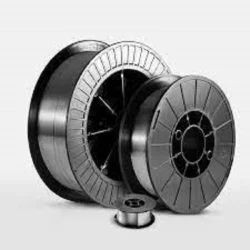
For example, we can collect waste titanium wire from our customers and send it to a reliable recycling partner. We can also help our customers understand the potential value of their waste wire and how they can turn it into a revenue stream.
Conclusion
Dealing with waste titanium wire from aerospace manufacturing is a complex but important task. By recycling, re - utilizing, and donating, we can turn this waste into a valuable resource. However, we also need to be aware of the challenges and work together to overcome them.
If you're in the aerospace manufacturing industry and are struggling with waste titanium wire, or if you're interested in our Titanium Wire for Aerospace products, don't hesitate to reach out. We're here to help you find the best solutions for your titanium wire needs, whether it's dealing with waste or sourcing high - quality products. Let's work together to make the aerospace industry more sustainable and efficient.
References
- "Titanium: Properties, Processing, and Applications" - A comprehensive book on titanium that provides in - depth knowledge about its manufacturing and recycling processes.
- Industry reports on aerospace manufacturing waste management, which offer insights into the current practices and challenges in dealing with waste titanium wire.


