As a supplier of Titanium Retaining Rings, I understand the importance of enhancing their performance. Titanium retaining rings are crucial components in various industries, including automotive, aerospace, and medical. Their performance directly affects the efficiency and reliability of the equipment they are used in. In this blog, I will share some effective ways to improve the performance of titanium retaining rings.
Material Selection
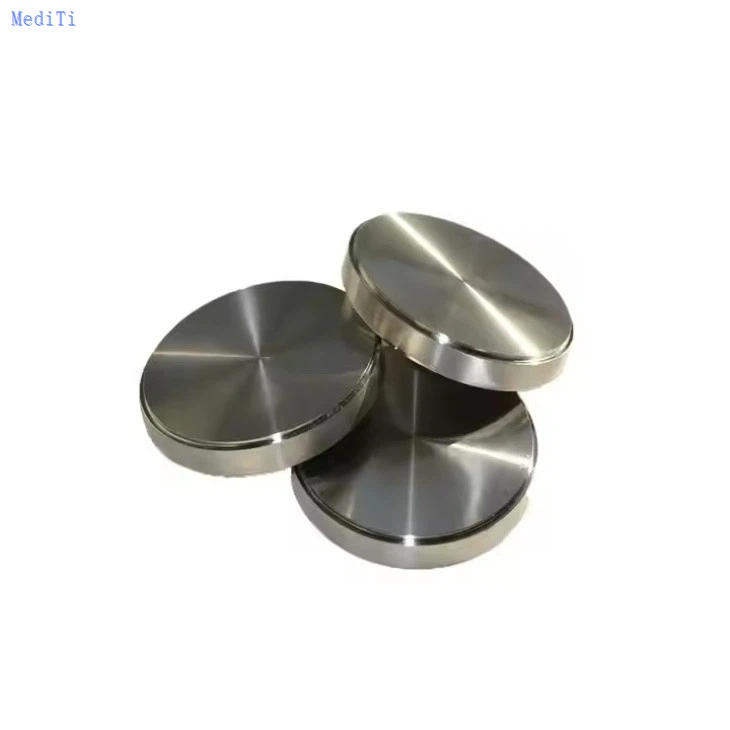
The choice of titanium material is fundamental to the performance of a retaining ring. Titanium alloys offer a unique combination of high strength, low density, and excellent corrosion resistance. Among the various titanium alloys, TC4 is a popular choice for retaining rings. TC4 Titanium Discs ["/titanium-forging/tc4-titanium-discs.html"] are widely used as raw materials for manufacturing retaining rings due to their good mechanical properties.
The chemical composition of TC4 alloy includes approximately 6% aluminum and 4% vanadium, which significantly enhances its strength and toughness. This alloy can withstand high stress and strain without deformation, making it suitable for applications where the retaining ring needs to maintain its shape under extreme conditions.
Another option is Dental Titanium Disc ["/titanium-forging/dental-titanium-disc.html"], which is often used in medical - grade retaining rings. It has high biocompatibility, which is essential for medical devices. The purity and quality of dental titanium discs ensure that the retaining rings made from them are safe for use in the human body.
Precision Manufacturing Processes
Precision in manufacturing is key to improving the performance of titanium retaining rings. Advanced forging techniques are employed to shape the titanium into the desired ring form. Forging can refine the grain structure of the titanium, enhancing its mechanical properties. During the forging process, the proper control of temperature, pressure, and deformation rate is crucial.
CNC machining is another important step. Computer - Numerical - Control (CNC) machines can achieve extremely high precision in cutting, drilling, and finishing the retaining rings. This allows for tight tolerances, ensuring that the retaining rings fit perfectly into their intended applications. For example, in aerospace applications, a small deviation in the dimensions of a retaining ring can lead to significant problems.
Heat treatment is also a critical process. By carefully controlling the heating and cooling rates, the hardness, strength, and ductility of the titanium retaining ring can be optimized. For instance, a proper heat - treatment process can increase the hardness of the ring, making it more resistant to wear and tear.
Surface Treatment
Surface treatment can greatly improve the performance of titanium retaining rings. One common surface treatment is anodizing. Anodizing creates a protective oxide layer on the surface of the titanium, which enhances its corrosion resistance. This is especially important in applications where the retaining ring is exposed to harsh environments, such as in marine or chemical industries.
Polishing is another surface - treatment method. A smooth surface finish not only improves the aesthetics of the retaining ring but also reduces friction. In applications where the retaining ring needs to rotate or slide, a polished surface can minimize energy losses and prevent premature wear.
Quality Control
Strict quality control measures are necessary at every stage of the production process. Non - destructive testing methods, such as ultrasonic testing and X - ray inspection, can be used to detect internal defects in the titanium retaining rings. These defects, if left undetected, can weaken the ring and lead to failure.
Dimensional inspection is also crucial. High - precision measuring tools, such as calipers and micrometers, are used to ensure that the retaining rings meet the specified dimensions. Any deviation from the standard dimensions can affect the performance and fit of the ring.
Application - Specific Design
Designing the titanium retaining ring according to the specific application requirements is essential. Different applications have different load - bearing requirements, operating temperatures, and environmental conditions. For example, in automotive engines, the retaining rings need to withstand high - speed rotation and high temperatures. Therefore, the design should take into account factors such as the material's thermal expansion coefficient and fatigue resistance.
In aerospace applications, weight is a critical factor. The design of the retaining ring should be optimized to achieve the required strength with the minimum amount of material. This may involve using innovative geometries or lightweight alloys.
Customization
As a supplier, we offer customization services to meet the diverse needs of our customers. Whether it is a special size, shape, or performance requirement, we can work closely with our customers to develop a customized titanium retaining ring. This personalized approach ensures that the retaining ring is perfectly suited to the specific application, thereby improving its performance.
Conclusion
Improving the performance of titanium retaining rings requires a comprehensive approach that includes proper material selection, precision manufacturing, surface treatment, quality control, application - specific design, and customization. As a Titanium Retaining Ring ["/titanium-forging/titanium-retaining-ring.html"] supplier, we are committed to providing high - performance products that meet the strict requirements of various industries.
If you are interested in purchasing high - quality titanium retaining rings or have any questions about improving their performance, please feel free to contact us for further discussion and negotiation. We look forward to collaborating with you to meet your specific needs.

References
- "Titanium Alloys: Properties and Applications" - A technical handbook on titanium alloys.
- "Precision Manufacturing of Titanium Components" - Research papers on the manufacturing processes of titanium parts.
- "Surface Treatment Technologies for Titanium" - Publications on surface - treatment methods for titanium materials.