

Surface smoothness is a crucial factor in the quality and performance of titanium plates. As a titanium plate supplier, I understand the significance of providing products with excellent surface finish. In this blog post, I will share some effective methods to improve the surface smoothness of titanium plates based on my experience in the industry.
Understanding the Importance of Surface Smoothness
Before delving into the improvement methods, it's essential to understand why surface smoothness matters. A smooth surface on titanium plates offers several benefits:
- Enhanced Corrosion Resistance: A smooth surface reduces the likelihood of corrosion by minimizing the areas where corrosive agents can accumulate. This is particularly important in applications where titanium plates are exposed to harsh environments, such as in the chemical and marine industries.
- Better Aesthetics: In applications where the appearance of the titanium plate is important, such as in architectural and decorative uses, a smooth surface provides a more visually appealing finish.
- Improved Functionality: In some engineering applications, a smooth surface can reduce friction and wear, improving the overall performance and longevity of the component. For example, in aerospace and automotive industries, smooth titanium plates can enhance the efficiency of moving parts.
Factors Affecting Surface Smoothness
Several factors can influence the surface smoothness of titanium plates during the manufacturing process:
- Raw Material Quality: The quality of the raw titanium material used can have a significant impact on the final surface finish. Impurities and inhomogeneities in the material can lead to surface defects.
- Manufacturing Processes: The methods used to produce the titanium plates, such as rolling, forging, and machining, can introduce surface irregularities. For instance, improper rolling parameters can result in uneven thickness and surface roughness.
- Heat Treatment: Heat treatment processes can affect the microstructure of the titanium, which in turn can influence the surface smoothness. Incorrect heat treatment can cause grain growth and surface cracking.
- Post - Processing Operations: Finishing operations like grinding, polishing, and chemical treatment play a vital role in achieving the desired surface smoothness. Inadequate post - processing can leave behind scratches, pits, or other surface imperfections.
Methods to Improve Surface Smoothness
1. Select High - Quality Raw Materials
- Purity Control: Ensure that the titanium raw material has a high level of purity. Titanium with lower impurity levels is less likely to form surface defects during processing. We carefully source our raw materials from reliable suppliers to guarantee the quality.
- Microstructure Uniformity: Look for materials with a uniform microstructure. A consistent grain size and distribution can contribute to a smoother surface finish. Advanced metallurgical analysis techniques are used to assess the microstructure of the raw materials before production.
2. Optimize Manufacturing Processes
- Rolling and Forging:
- Proper Parameter Selection: In rolling and forging operations, select appropriate parameters such as rolling speed, reduction ratio, and forging force. These parameters should be adjusted based on the specific grade and thickness of the titanium plate. For example, a slower rolling speed can sometimes result in a smoother surface by allowing the material to deform more evenly.
- Tooling Maintenance: Regularly maintain the rolling and forging tools. Worn - out tools can introduce surface scratches and irregularities. Sharp and well - maintained tools ensure a clean and smooth deformation of the titanium plate.
- Machining:
- Cutting Tool Selection: Choose the right cutting tools for machining titanium plates. Carbide or diamond - coated tools are often preferred due to their high hardness and wear resistance. The geometry of the cutting tool, such as the rake angle and clearance angle, also affects the surface finish.
- Cutting Parameters Optimization: Adjust the cutting speed, feed rate, and depth of cut to minimize surface roughness. A lower feed rate and appropriate cutting speed can reduce the formation of chips and prevent tool chatter, resulting in a smoother surface.
3. Control Heat Treatment
- Precise Temperature and Time: Follow strict temperature and time control during heat treatment processes. Different grades of titanium require specific heat treatment conditions to achieve the desired microstructure and surface quality. For example, annealing at the correct temperature can relieve internal stresses and improve the surface smoothness.
- Quenching and Cooling: Use proper quenching and cooling methods to avoid the formation of surface cracks. Slow and controlled cooling can prevent thermal shock and ensure a uniform microstructure.
4. Effective Post - Processing Operations
- Grinding:
- Abrasive Selection: Select the appropriate abrasive materials and grit sizes for grinding. Coarse - grit abrasives are used for initial material removal, while fine - grit abrasives are used for final finishing to achieve a smooth surface.
- Grinding Pressure and Speed: Control the grinding pressure and speed to prevent over - grinding and surface damage. A consistent and moderate grinding pressure helps to maintain a uniform surface finish.
- Polishing:
- Polishing Compounds: Use high - quality polishing compounds that are specifically formulated for titanium. These compounds can remove fine scratches and improve the surface luster.
- Polishing Equipment: Employ advanced polishing equipment, such as buffing machines and vibratory polishers, to ensure a consistent and smooth surface finish. The polishing process should be carried out in multiple stages, gradually reducing the surface roughness.
- Chemical Treatment:
- Pickling: Pickling can remove surface oxides and impurities, improving the surface smoothness. A carefully formulated pickling solution and proper immersion time are crucial to avoid over - etching the titanium surface.
- Passivation: Passivation treatment can enhance the corrosion resistance of the titanium plate while also contributing to a smoother surface. It forms a protective oxide layer on the surface, which helps to prevent further oxidation and corrosion.
Our Product Portfolio
We offer a wide range of titanium plates with excellent surface smoothness. Our Ti - 6Al - 4V ELI Medical Titanium Trauma Bone Plates are carefully manufactured to meet the high - quality requirements of the medical industry. The smooth surface of these plates is essential for reducing the risk of tissue irritation and promoting better healing.
Our ASTM B265 Gr2 Titanium Plate is widely used in various industrial applications. Through strict quality control and advanced manufacturing techniques, we ensure that these plates have a smooth surface, which enhances their corrosion resistance and overall performance.
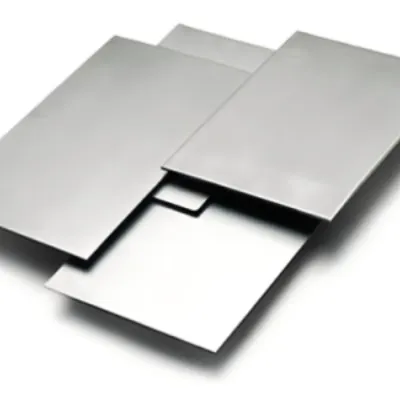

The GR23 Medical Titanium Plate is another product in our portfolio. Its smooth surface finish is critical for medical applications, where biocompatibility and low friction are essential.
Contact Us for Procurement
If you are interested in our high - quality titanium plates with excellent surface smoothness, we invite you to contact us for procurement. Our team of experts is ready to provide you with detailed product information, technical support, and competitive pricing. Whether you need titanium plates for medical, industrial, or other applications, we can meet your specific requirements.
References
- Boyer, R., Welsch, G., & Collings, E. W. (1994). Materials properties handbook: Titanium alloys. ASM International.
- Kalpakjian, S., & Schmid, S. R. (2013). Manufacturing engineering and technology. Pearson.
- Totten, G. E., & MacKenzie, D. E. (2003). Handbook of aluminum: Physical properties and physical metallurgy. CRC Press.


