

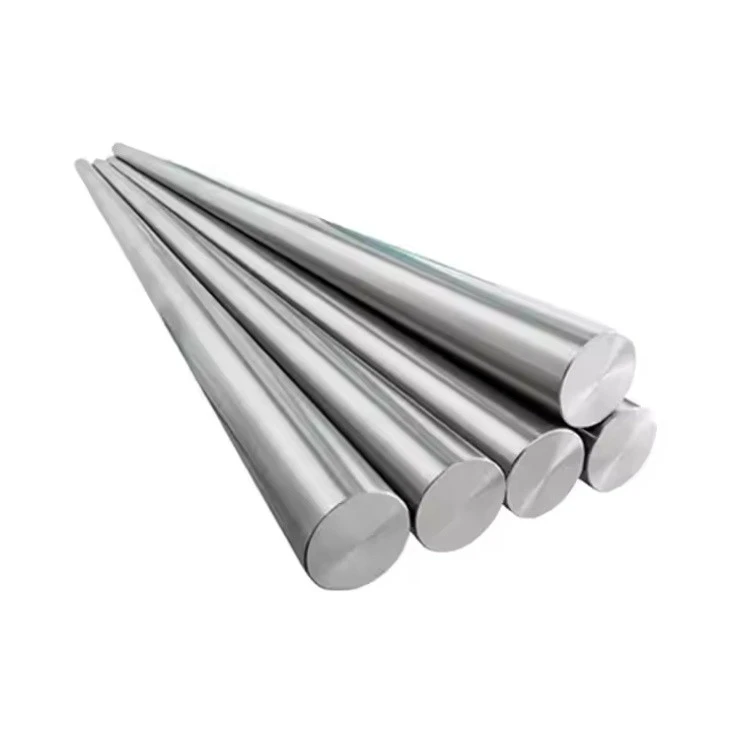
Hey there! I'm a supplier of titanium bars and rods, and I know how crucial it is to keep these products in top - notch condition. Oxidation can be a real headache for titanium bars and rods, as it can affect their quality, performance, and lifespan. In this blog, I'll share some practical tips on how to prevent titanium bars and rods from oxidation.
First off, let's understand what oxidation is. Oxidation is a chemical reaction that occurs when titanium comes into contact with oxygen in the air or other oxidizing agents. When titanium oxidizes, it forms a layer of titanium dioxide on its surface. While a thin layer of titanium dioxide can actually protect the underlying titanium to some extent, excessive oxidation can lead to problems like discoloration, reduced corrosion resistance, and weakened mechanical properties.
Storage Conditions
One of the most important factors in preventing oxidation is proper storage. Titanium bars and rods should be stored in a dry environment. Moisture is one of the main culprits that can accelerate the oxidation process. If the storage area is humid, the water vapor in the air can react with the titanium, leading to faster oxidation.
I'd recommend storing the bars and rods in a climate - controlled warehouse. You can use dehumidifiers to keep the relative humidity below 50%. Also, make sure the storage racks are clean and dry. Avoid storing titanium products near sources of moisture, such as open water containers or leaky pipes.
Another thing to keep in mind is to separate titanium bars and rods from other metals. Different metals can cause galvanic corrosion when they come into contact in the presence of an electrolyte (like moisture). So, it's best to have dedicated storage areas for titanium products.
Surface Protection
Applying a protective coating is a great way to prevent oxidation. There are several types of coatings that can be used on titanium bars and rods.
One option is a polymer - based coating. These coatings form a physical barrier between the titanium surface and the surrounding environment. They can effectively block oxygen and moisture from reaching the titanium. Some polymer coatings also have anti - UV properties, which can be useful if the titanium products are going to be exposed to sunlight.
Another popular choice is a passivation treatment. Passivation is a chemical process that removes iron and other contaminants from the titanium surface and creates a thin, protective oxide layer. This oxide layer is more stable and less prone to further oxidation compared to the natural oxide layer that forms on the surface.
Handling Precautions
Proper handling is also essential to prevent oxidation. When moving or installing titanium bars and rods, make sure your hands are clean and dry. Oils and dirt from your hands can contaminate the surface of the titanium, which can make it more susceptible to oxidation.
Use clean tools when working with titanium. Tools that are contaminated with other metals or chemicals can transfer these substances to the titanium surface. For example, using a steel tool on titanium can leave iron particles on the surface, which can accelerate oxidation.
Packaging
Good packaging can go a long way in preventing oxidation during transportation and storage. Wrap the titanium bars and rods in protective materials, such as plastic film or paper. The packaging should be sealed to prevent air and moisture from getting in.
You can also use desiccants in the packaging. Desiccants are substances that absorb moisture, like silica gel. Placing a few packets of desiccants in the packaging can help keep the environment inside the package dry.
Regular Inspection
Regular inspection is crucial to catch any signs of oxidation early. Check the titanium bars and rods periodically for any discoloration, pitting, or other signs of damage. If you notice any issues, take immediate action.
For example, if you see a small area of oxidation, you can try to remove it using a mild abrasive or a chemical cleaner specifically designed for titanium. However, be careful not to damage the surface of the titanium during the cleaning process.

Product - Specific Considerations
Different grades and types of titanium bars and rods may have different oxidation - prevention requirements. For instance, ASTM B348 Round Bar is widely used in various industries. This type of round bar may be exposed to different environmental conditions depending on its application. If it's used in a marine environment, it will be more prone to corrosion due to the high salt content in the air and water. In such cases, a more robust protective coating may be required.
Gr1 Titanium Bars for Petroleum are used in the petroleum industry. They may be exposed to harsh chemicals and high temperatures. Specialized coatings and storage conditions may be necessary to prevent oxidation and ensure their long - term performance.
TC20 Titanium Rod for Surgery has strict requirements for cleanliness and biocompatibility. Oxidation can not only affect its mechanical properties but also its suitability for medical use. Therefore, extra care should be taken during storage, handling, and packaging to prevent any form of oxidation.
Conclusion
Preventing oxidation of titanium bars and rods is a multi - faceted process that involves proper storage, surface protection, handling, packaging, and regular inspection. By following these tips, you can ensure that your titanium products remain in excellent condition for a long time.
If you're in the market for high - quality titanium bars and rods, I'm here to help. I can provide you with the best products and offer advice on how to keep them in top shape. Whether you need ASTM B348 Round Bar, Gr1 Titanium Bars for Petroleum, or TC20 Titanium Rod for Surgery, I've got you covered. Don't hesitate to reach out for more information or to start a procurement discussion.
References
-ASM Handbook Committee. ASM Handbook, Volume 13A: Corrosion: Fundamentals, Testing, and Protection. ASM International, 2003.
-Schutz, Hans - Joachim. “Corrosion of Titanium and Titanium Alloys.” Handbook of Corrosion Data. McGraw - Hill, 2000.


