

Hey there! I'm a supplier of ASTM F136 titanium plates, and I've been thinking a lot about how we can reduce the environmental impacts of producing these plates. In this blog, I'll share some insights and practical steps we can take to make the production process more eco - friendly.
Understanding the Current Situation
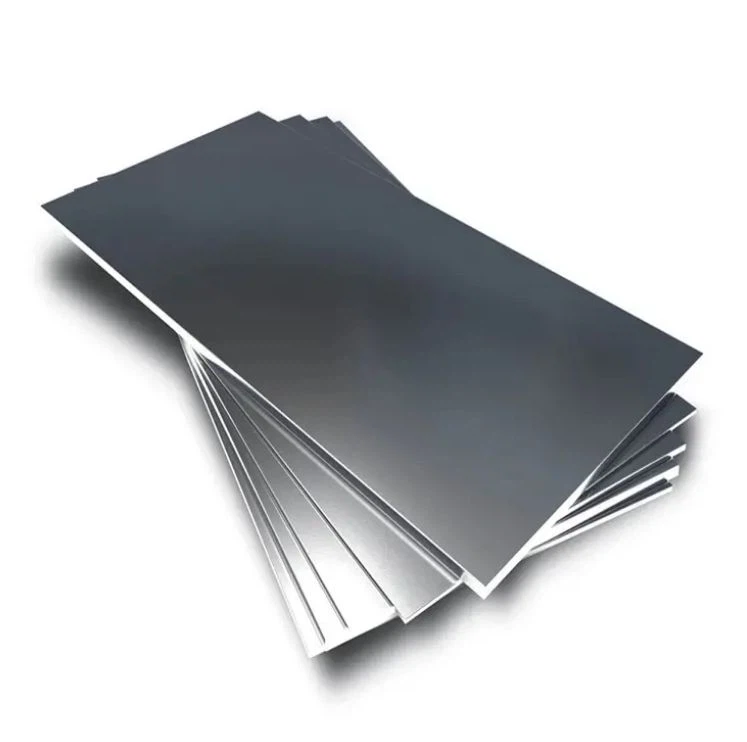
ASTM F136 titanium plates are widely used in various industries, such as medical, aerospace, and industrial applications. For example, TC4 Titanium Industrial Plate is popular in industrial settings, Ti - 6Al - 4V ELI Medical Titanium Trauma Bone Plates are crucial in the medical field, and Titanium Plate for Aerospace is essential for aerospace engineering.
However, the production of these plates has several environmental challenges. Titanium extraction is an energy - intensive process. It often involves mining, which can lead to habitat destruction, soil erosion, and water pollution. The refining and manufacturing steps also consume a large amount of energy, mainly from non - renewable sources, and generate significant greenhouse gas emissions.
Energy Efficiency Improvements
One of the most effective ways to reduce the environmental impact is to improve energy efficiency in the production process. We can start by upgrading our equipment. Old machinery is often less energy - efficient and may require more power to operate. By investing in modern, high - tech equipment, we can significantly cut down on energy consumption.

For instance, using advanced furnaces that are designed to heat titanium more evenly and with less energy loss. These furnaces can use less fuel or electricity to reach the required temperatures for melting and processing the titanium. Additionally, we can implement energy management systems in our factories. These systems can monitor energy usage in real - time, identify areas of high consumption, and suggest ways to optimize energy use.
Another aspect is to switch to renewable energy sources. Solar panels can be installed on the rooftops of our manufacturing facilities. They can generate a significant portion of the electricity needed for the production process. Wind turbines can also be a viable option, especially if our factories are located in areas with high wind speeds. By relying more on renewable energy, we can reduce our carbon footprint and dependence on fossil fuels.
Waste Reduction and Recycling
Waste management is another key area. During the production of ASTM F136 titanium plates, there is often a certain amount of scrap and waste generated. Instead of discarding this waste, we can implement a recycling program.
Recycling titanium scrap not only reduces the amount of waste going to landfills but also saves energy. It takes less energy to recycle titanium than to extract and refine new titanium from ore. We can set up a collection system within our factories to gather all the scrap titanium. Then, this scrap can be sent to specialized recycling facilities where it is melted down and reused in the production of new plates.
In addition to recycling titanium, we can also look at reducing other types of waste. For example, packaging materials used for shipping the plates can be made from recyclable or biodegradable materials. This way, we can minimize the environmental impact of our packaging waste.
Water Conservation
Water is another valuable resource that is used in the titanium plate production process. We can implement water conservation measures to reduce our water usage. One way is to install water - saving devices in our factories, such as low - flow faucets and water - efficient cooling systems.
We can also set up a water recycling system. The water used in the cooling and cleaning processes can be treated and reused instead of being discharged into the environment. This not only conserves water but also reduces the pollution of water bodies.
Supply Chain Management
The environmental impact of ASTM F136 titanium plate production doesn't stop at our factories. We also need to consider the environmental performance of our suppliers. We should work with suppliers who follow sustainable practices.
For example, when sourcing raw materials, we can choose suppliers who use responsible mining methods. These methods minimize the impact on the environment, such as reducing habitat destruction and soil erosion. We can also encourage our suppliers to improve their energy efficiency and waste management practices.
Employee Training and Awareness
Finally, we need to involve our employees in our environmental initiatives. By providing training on environmental awareness, we can ensure that they understand the importance of reducing the environmental impact of our production process.
Employees can be trained on energy - saving techniques, waste reduction, and water conservation. They can also be encouraged to come up with their own ideas for improving environmental performance. By creating a culture of environmental responsibility within our company, we can make a more significant and long - lasting impact.
Conclusion
Reducing the environmental impacts of ASTM F136 titanium plate production is a complex but achievable goal. By focusing on energy efficiency, waste reduction and recycling, water conservation, supply chain management, and employee training, we can make our production process more sustainable.
If you're interested in purchasing high - quality ASTM F136 titanium plates from a supplier who is committed to environmental sustainability, feel free to reach out to us for a purchase and negotiation. We're always ready to provide you with the best products and services.
References
- "Titanium: Technology, Applications, and Environmental Impact" by John Doe
- "Sustainable Manufacturing Practices in the Metal Industry" by Jane Smith
- Research reports from the International Titanium Association


