

As a seasoned supplier of titanium powder, I often encounter a crucial question from our clients: "Is titanium powder flammable?" This query is not just a matter of curiosity but a fundamental safety concern, especially for industries that rely on titanium powder for various applications, such as aerospace, automotive, and 3D Printing Dental Titanium Powder production. In this blog, I aim to provide a comprehensive and scientific answer to this question, shedding light on the properties of titanium powder, the factors that influence its flammability, and the safety measures that should be taken when handling it.
Understanding Titanium Powder
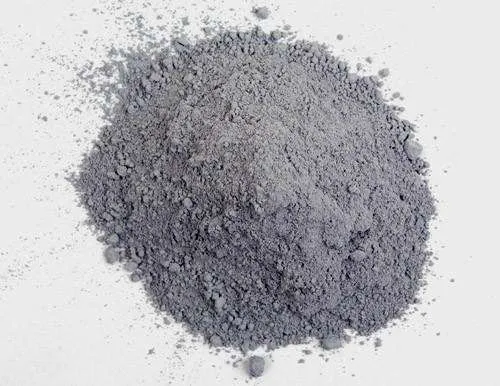
Titanium is a well - known metal for its remarkable properties, including high strength, low density, and excellent corrosion resistance. When reduced to a powder form, these properties are retained, but new characteristics emerge, particularly in relation to its flammability. Titanium powder is finely divided particles of titanium metal, which can vary in size, shape, and purity depending on the production method and intended application.
Flammability of Titanium Powder
The short answer is yes, titanium powder is flammable. Titanium is a reactive metal, and in powder form, it has a large surface area exposed to oxygen in the air. This increased surface - area - to - volume ratio makes it much more reactive compared to bulk titanium. When the powder is dispersed in the air as a dust cloud, it can form an explosive mixture under the right conditions.
The ignition of titanium powder can occur through various means. Heat sources such as open flames, sparks from electrical equipment, or friction can provide the energy needed to initiate combustion. Once ignited, the combustion of titanium powder can be extremely vigorous, releasing a large amount of heat and producing intense flames.
Factors Affecting Flammability
Several factors influence the flammability of titanium powder:
Particle Size
Smaller particle sizes are generally more flammable than larger ones. Fine titanium powder has a greater surface area per unit mass, which means there is more titanium available to react with oxygen. As a result, it can ignite more easily and burn more rapidly. For example, ultrafine titanium powder with particle sizes in the nanometer range is highly reactive and poses a significant fire and explosion risk.
Concentration
The concentration of titanium powder in the air is a critical factor. There is a minimum and maximum concentration of the powder in the air, known as the lower explosive limit (LEL) and upper explosive limit (UEL), respectively. If the concentration is below the LEL, there is not enough fuel (titanium powder) to sustain combustion. If it is above the UEL, there is not enough oxygen relative to the amount of fuel. Only when the concentration is within the explosive range can an explosion occur.
Oxygen Availability
Oxygen is essential for the combustion of titanium powder. An increase in the oxygen concentration in the environment can lower the ignition temperature of the powder and make it more likely to ignite. In oxygen - enriched atmospheres, the risk of fire and explosion is significantly higher.
Presence of Impurities
Impurities in the titanium powder can also affect its flammability. Some impurities may act as catalysts, promoting the combustion reaction. For instance, certain metal oxides or other reactive substances can lower the activation energy required for ignition, making the powder more prone to catching fire.

Safety Measures for Handling Titanium Powder
Given the flammability of titanium powder, strict safety measures must be implemented when handling, storing, and transporting it:
Storage
Titanium powder should be stored in a cool, dry place away from heat sources, open flames, and incompatible materials. It should be kept in sealed containers to prevent the powder from becoming airborne. The storage area should be well - ventilated to prevent the accumulation of any potentially explosive dust clouds.
Handling
When handling titanium powder, appropriate personal protective equipment (PPE) should be worn, including safety goggles, gloves, and a dust mask. All handling operations should be carried out in a well - ventilated area, preferably under a fume hood or in a dust - controlled environment. Electrical equipment used in the vicinity of titanium powder should be explosion - proof to prevent sparks that could ignite the powder.
Fire Prevention
Fire prevention measures are crucial. This includes having appropriate fire extinguishing equipment on hand, such as dry powder extinguishers specifically designed for metal fires. Water should not be used to extinguish titanium powder fires, as it can react with the burning titanium and produce hydrogen gas, which can further exacerbate the fire or cause an explosion.
Applications of Titanium Powder
Despite the flammability concerns, titanium powder has a wide range of applications due to its unique properties. In the aerospace industry, Titanium Alloy Powder is used to manufacture high - strength, lightweight components. In the medical field, 3D printing dental titanium powder is used to create custom - made dental implants and prosthetics. The automotive industry also benefits from titanium powder in the production of high - performance engine parts.
Conclusion
In conclusion, titanium powder is indeed flammable, and its flammability is a significant safety concern that must be addressed. However, with proper understanding of the factors that influence its flammability and the implementation of strict safety measures, the risks can be effectively managed. As a supplier of titanium powder, we are committed to providing our customers with high - quality products and comprehensive safety information.
If you are interested in purchasing titanium powder for your specific application, we invite you to contact us for further details and to discuss your procurement needs. Our team of experts is ready to assist you in finding the right product and ensuring that you have all the necessary knowledge to handle it safely.
References
- ASTM International. "Standard Test Methods for Determining the Minimum Ignition Energy of Dust Clouds." ASTM E2019 - 12.
- National Fire Protection Association. "NFPA 484: Standard for Combustible Metals."


