

As a trusted supplier of ASTM F136 titanium plate, I understand the importance of proper packaging methods to ensure the safe transportation and storage of these high - quality products. ASTM F136 titanium plate is widely used in various industries, including medical and aerospace, due to its excellent properties such as high strength - to - weight ratio, corrosion resistance, and biocompatibility. In this blog, I will discuss the different packaging methods for ASTM F136 titanium plate.
1. Protective Film Wrapping
One of the most common and fundamental packaging methods for ASTM F136 titanium plate is the use of protective film. The protective film acts as a barrier between the titanium plate and the external environment, preventing scratches, abrasions, and minor surface damage during handling and transportation.
The protective film is usually made of polyethylene or polypropylene, which are flexible and have good adhesion properties. Before applying the film, the surface of the titanium plate should be cleaned to remove any dust, debris, or contaminants. The film is then carefully wrapped around the plate, ensuring that it covers the entire surface evenly.
This method is particularly useful for preventing surface damage during short - term storage and local transportation. For example, when the plates are being moved within a factory or to a nearby processing facility, the protective film can keep the surface in good condition. It also provides a certain degree of protection against moisture and dust, which can cause corrosion over time.
2. Wooden Crating
Wooden crating is a more robust packaging method, especially suitable for long - distance transportation and international shipments. Wooden crates provide excellent physical protection to the ASTM F136 titanium plates.
First, the titanium plates are usually placed on a wooden base or pallet. This helps to distribute the weight evenly and provides a stable platform for the plates. Then, wooden boards are used to construct a crate around the plates. The crate is designed to fit the size and shape of the plates precisely, minimizing movement during transit.
Inside the crate, cushioning materials such as foam or rubber can be used to further protect the plates. These materials absorb shock and vibration, reducing the risk of damage caused by rough handling or transportation on uneven roads.
Wooden crates also offer protection against environmental factors. They can shield the plates from rain, snow, and excessive sunlight, which can have a negative impact on the quality of the titanium. Moreover, wooden crates are relatively easy to handle with standard lifting equipment, making the loading and unloading process more efficient.
3. Steel Framing and Enclosure
For extremely large or heavy ASTM F136 titanium plates, steel framing and enclosure may be the most appropriate packaging method. Steel frames are very strong and can withstand significant forces during transportation.
The steel frame is custom - designed to fit the dimensions of the titanium plate. The plate is placed inside the frame, and then additional steel sheets or panels can be used to enclose the frame, creating a sealed and protected environment for the plate.
This type of packaging provides the highest level of protection against mechanical damage. It is often used for plates that are used in critical applications, such as in the aerospace industry. For instance, Titanium Plate for Aerospace requires the utmost protection during transportation to ensure its quality and performance.
In addition to physical protection, the steel enclosure can also be equipped with environmental control systems. For example, desiccants can be placed inside to absorb moisture, and nitrogen can be filled to create an inert atmosphere, preventing oxidation of the titanium surface.
4. Vacuum Packaging
Vacuum packaging is a specialized method that is mainly used for small - sized ASTM F136 titanium plates or when high - level protection against corrosion is required. In this method, the titanium plate is placed in a special plastic bag, and the air inside the bag is removed using a vacuum pump.
The absence of air in the bag eliminates the oxygen and moisture that can cause corrosion. This is particularly important for titanium plates that are used in medical applications, such as TC20 Surgical Implants Titanium Plate and Ti - 6Al - 4V ELI Medical Titanium Trauma Bone Plates. Medical titanium plates need to be kept in a pristine condition to ensure their biocompatibility and safety.
Vacuum packaging also helps to prevent the adhesion of dust and other contaminants to the plate surface. The tight - fitting plastic bag acts as a physical barrier, protecting the plate from external particles.
5. Multi - layer Packaging
In many cases, a combination of different packaging methods is used to provide comprehensive protection. For example, a titanium plate can first be wrapped with a protective film, then placed in a wooden crate with cushioning materials, and finally, the crate can be covered with a waterproof tarp.
This multi - layer packaging approach takes advantage of the strengths of each individual method. The protective film provides initial surface protection, the wooden crate offers physical and environmental protection, and the waterproof tarp adds an extra layer of protection against moisture during outdoor storage or transportation in wet conditions.
Considerations for Packaging ASTM F136 Titanium Plate
When choosing the packaging method for ASTM F136 titanium plate, several factors need to be considered.
- Transportation Distance and Mode: For short - distance transportation by truck, protective film wrapping or simple wooden pallets may be sufficient. However, for long - distance shipping by sea or air, more robust packaging such as wooden crates or steel enclosures is required.
- Plate Size and Thickness: Larger and thicker plates are heavier and more difficult to handle. They require stronger packaging to prevent damage during transportation. For example, large aerospace - grade titanium plates may need steel framing for proper protection.
- End - Use Application: If the plate is for a medical application, the packaging must ensure the highest level of cleanliness and protection against corrosion. Vacuum packaging or multi - layer packaging with strict environmental control may be necessary.
- Environmental Conditions: If the plates are to be stored or transported in areas with high humidity, high temperature, or extreme weather conditions, the packaging should be designed to withstand these factors. For example, in tropical regions, waterproof and moisture - resistant packaging is essential.
Conclusion
Proper packaging of ASTM F136 titanium plate is crucial to maintain its quality and performance. Different packaging methods, such as protective film wrapping, wooden crating, steel framing, vacuum packaging, and multi - layer packaging, each have their own advantages and are suitable for different situations.
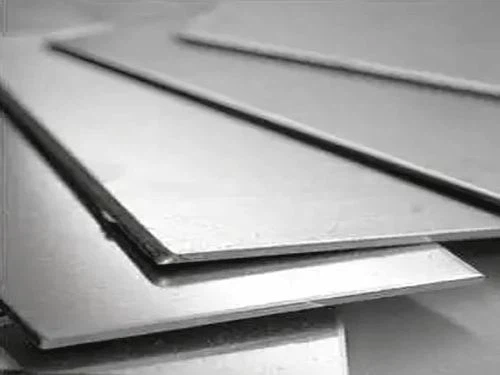

As a supplier, I am committed to providing the best - suited packaging solutions for our customers. Whether you need TC20 Surgical Implants Titanium Plate, Ti - 6Al - 4V ELI Medical Titanium Trauma Bone Plates, or Titanium Plate for Aerospace, we can ensure that the plates are packaged to the highest standards.
If you are interested in purchasing ASTM F136 titanium plate or have any questions about our packaging methods, please feel free to contact us for procurement and negotiation. We look forward to serving you with our high - quality products and professional services.
References
- ASTM International. ASTM F136 - 19 Standard Specification for Wrought Titanium - 6 Aluminum - 4 Vanadium ELI Alloy for Surgical Implant Applications (UNS R56401).
- ASM Handbook Committee. ASM Handbook Volume 2: Properties and Selection: Nonferrous Alloys and Special - Purpose Materials. ASM International, 2001.
- Metals Handbook Committee. Metals Handbook Desk Edition, 2nd Edition. ASM International, 1998.


