

As a supplier of Dental Titanium Discs, I've had the privilege of engaging with numerous clients from around the globe. Over the years, I've noticed a consistent query that pops up in our discussions: What are the regulations for importing dental titanium discs? In this blog, I'll delve into the essential regulations that importers need to be aware of when bringing dental titanium discs into their countries.

Understanding the Basics of Dental Titanium Discs
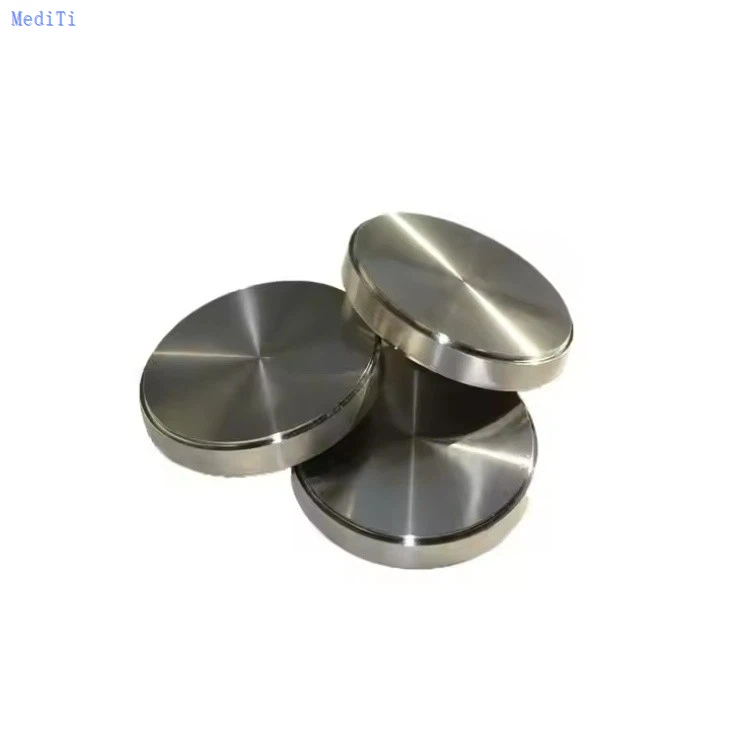
Before we jump into the regulations, let's briefly touch on what dental titanium discs are. Dental titanium discs are high - quality materials used in the dental industry for various applications, such as dental implants, crowns, and bridges. Titanium is favored for its excellent biocompatibility, corrosion resistance, and strength, making it an ideal choice for dental restorations.
Our company offers a wide range of dental titanium discs, including TC4 Titanium Discs. TC4 titanium, also known as Ti - 6Al - 4V, is one of the most commonly used titanium alloys in the dental field due to its superior mechanical properties and biocompatibility.
Regulatory Bodies and Standards
When it comes to importing dental titanium discs, different countries have their own regulatory bodies and standards. In the United States, the Food and Drug Administration (FDA) is the primary regulatory authority for medical and dental devices. Dental titanium discs are classified as medical devices, and importers must ensure that the products meet the FDA's requirements.
The FDA has a pre - market notification process called 510(k) for most dental devices, including titanium discs. This process requires the importer or manufacturer to demonstrate that the device is substantially equivalent to a legally marketed device (predicate device). The documentation should include information on the device's design, materials, performance, and labeling.
In the European Union, the European Commission regulates medical devices through the Medical Device Regulation (MDR). Under the MDR, dental titanium discs must comply with strict safety and performance requirements. Manufacturers and importers are required to obtain a CE mark, which indicates that the product meets the EU's essential requirements. The CE marking process involves a comprehensive assessment of the product, including risk management, clinical evaluation, and quality management systems.
In Asia, countries like Japan and South Korea also have their own regulatory frameworks for dental devices. Japan's Pharmaceuticals and Medical Devices Agency (PMDA) is responsible for regulating medical and dental products. Importers must follow the PMDA's approval procedures, which may include product testing, clinical trials, and quality control inspections. South Korea's Ministry of Food and Drug Safety (MFDS) has similar requirements for dental titanium disc imports.
Product Quality and Testing
One of the key aspects of import regulations is ensuring the quality of the dental titanium discs. Most regulatory bodies require that the products undergo rigorous testing to meet specific standards.
For example, the American Society for Testing and Materials (ASTM) has developed a series of standards for titanium materials used in medical and dental applications. ASTM F136 is a standard specification for wrought titanium - 6 aluminum - 4 vanadium ELI (extra - low interstitial) alloy for surgical implant applications. Importers should ensure that the dental titanium discs they are importing comply with this standard.
The testing may include chemical composition analysis, mechanical property testing (such as tensile strength and hardness), and biocompatibility testing. Biocompatibility is crucial for dental products, as they come into direct contact with the human body. Tests may include cytotoxicity testing, sensitization testing, and irritation testing to ensure that the titanium discs do not cause any adverse reactions in the body.
Labeling and Packaging Requirements
Labeling and packaging are also important aspects of import regulations. The labels on dental titanium discs should provide clear and accurate information about the product. This includes the product name, model number, material composition, manufacturing date, expiration date (if applicable), and usage instructions.
In addition, the labels should include appropriate warnings and precautions. For example, if the titanium disc is intended for a specific dental application, the label should clearly state this. The packaging should also be designed to protect the product during transportation and storage. It should be sturdy enough to prevent damage and contamination.
Some countries may also require additional information on the labels, such as country of origin, importer's contact information, and regulatory compliance markings (e.g., FDA approval number or CE mark).
Documentation and Customs Clearance
When importing dental titanium discs, importers need to prepare a set of documentation for customs clearance. This typically includes a commercial invoice, packing list, bill of lading or airway bill, and a certificate of origin.
The commercial invoice should provide detailed information about the product, including the description, quantity, unit price, and total value. The packing list should list the contents of each package, including the number of dental titanium discs, their dimensions, and weights.
The certificate of origin is an important document that indicates where the product was manufactured. This can affect the import duties and tariffs that the importer needs to pay. Some countries have preferential trade agreements that may reduce or eliminate import duties for products originating from certain countries.
In addition to these basic documents, importers may also need to provide regulatory compliance documents, such as FDA 510(k) clearance, CE mark certificates, or PMDA approval letters. Customs officials will review these documents to ensure that the imported dental titanium discs meet all the regulatory requirements.
Other Related Titanium Products
Apart from dental titanium discs, our company also offers other titanium products that are relevant to the dental and medical industries. For example, we have Grade 7 Titanium Screws And Nuts. Grade 7 titanium is known for its excellent corrosion resistance, making it suitable for applications where the screws and nuts may be exposed to harsh environments.
We also supply Titanium Block, which can be used for machining complex dental components. These blocks are available in different sizes and grades to meet the diverse needs of our customers.
Conclusion and Call to Action
Importing dental titanium discs involves navigating a complex web of regulations. However, with the right knowledge and preparation, importers can ensure a smooth and compliant import process. As a leading supplier of dental titanium discs and related products, we are committed to providing high - quality products that meet all the regulatory requirements.
If you are interested in purchasing dental titanium discs or other titanium products, we encourage you to reach out to us for more information. Our team of experts can assist you with understanding the import regulations in your country and help you select the right products for your needs. Let's start a discussion and explore how we can work together to meet your dental material requirements.
References
- U.S. Food and Drug Administration. (n.d.). Medical Devices. Retrieved from fda.gov
- European Commission. (n.d.). Medical Device Regulation (MDR). Retrieved from ec.europa.eu
- Japan Pharmaceuticals and Medical Devices Agency. (n.d.). Regulations for Medical Devices. Retrieved from pmda.go.jp
- South Korea Ministry of Food and Drug Safety. (n.d.). Medical Device Regulations. Retrieved from mfds.go.kr
- American Society for Testing and Materials. (n.d.). ASTM Standards for Titanium in Medical Applications. Retrieved from astm.org


