

As a supplier of GR.1 Titanium Wire Rod, I've encountered numerous inquiries from customers regarding the appropriate cutting parameters for machining this material. In this blog post, I'll share some insights and recommendations based on my experience and industry knowledge.
Understanding GR.1 Titanium Wire Rod
GR.1 Titanium is a commercially pure titanium grade known for its excellent corrosion resistance, high strength - to - weight ratio, and good formability. These properties make it a popular choice in various industries, including aerospace, medical, and chemical processing. The wire rod form of GR.1 titanium is often used in applications such as fasteners, springs, and welding filler materials.
Factors Affecting Cutting Parameters
Before delving into specific cutting parameters, it's essential to understand the factors that influence them.
Material Properties
GR.1 titanium has a relatively low thermal conductivity, which means that heat generated during cutting tends to concentrate at the cutting edge. This can lead to rapid tool wear and poor surface finish. Additionally, titanium has a high chemical reactivity, especially at elevated temperatures, which can cause the material to adhere to the cutting tool, further exacerbating wear.
Tool Material
The choice of cutting tool material is crucial when machining GR.1 titanium wire rod. Carbide tools are commonly used due to their high hardness and wear resistance. However, coated carbide tools, such as those with titanium nitride (TiN), titanium carbonitride (TiCN), or aluminum titanium nitride (AlTiN) coatings, can offer even better performance by reducing friction and improving chip evacuation.
Cutting Speed
Cutting speed is one of the most critical parameters in machining. For GR.1 titanium wire rod, the cutting speed should be carefully selected to balance material removal rate and tool life. Generally, lower cutting speeds are recommended compared to other metals. A typical cutting speed range for carbide tools when machining GR.1 titanium is between 20 - 60 m/min. Higher cutting speeds can lead to excessive heat generation, rapid tool wear, and poor surface quality.
Feed Rate
The feed rate determines the amount of material removed per revolution or per tooth of the cutting tool. A proper feed rate is essential to ensure efficient machining and good surface finish. For GR.1 titanium wire rod, a feed rate of 0.05 - 0.2 mm/rev is commonly used. Too high a feed rate can cause excessive cutting forces, tool breakage, and poor surface finish, while too low a feed rate can result in inefficient machining and increased cycle times.
Depth of Cut
The depth of cut refers to the thickness of the material removed in a single pass. When machining GR.1 titanium wire rod, a relatively small depth of cut is recommended to minimize cutting forces and heat generation. A depth of cut of 0.5 - 2 mm is often suitable. Deeper cuts can lead to increased tool wear and potential damage to the workpiece.
Recommended Cutting Parameters
Based on the above factors, the following are some recommended cutting parameters for machining GR.1 Titanium Wire Rod using carbide cutting tools:
| Parameter | Value |
|---|---|
| Cutting Speed | 20 - 60 m/min |
| Feed Rate | 0.05 - 0.2 mm/rev |
| Depth of Cut | 0.5 - 2 mm |
It's important to note that these are general guidelines, and the actual cutting parameters may need to be adjusted based on the specific machining operation, tool geometry, and workpiece requirements.
Machining Strategies
In addition to selecting the appropriate cutting parameters, adopting the right machining strategies can also improve the machining performance of GR.1 titanium wire rod.
Coolant and Lubrication
Using a suitable coolant or lubricant is crucial when machining titanium. Coolants help to dissipate heat, reduce friction, and flush away chips. Water - based coolants are commonly used, and they should be applied at a sufficient flow rate to ensure effective cooling. Some coolants also contain additives that can improve lubrication and reduce the chemical reactivity between the tool and the workpiece.
Chip Control
Proper chip control is essential to prevent chip entanglement, which can lead to tool breakage and poor surface finish. Using tools with appropriate chip breakers and ensuring proper chip evacuation can help maintain a smooth machining process.
Tool Path Planning
Careful tool path planning can minimize the cutting forces and heat generation. For example, using a climb milling strategy can reduce the cutting forces and improve surface finish compared to conventional milling.

Applications and Related Products
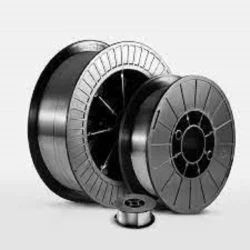
GR.1 Titanium Wire Rod has a wide range of applications. In the aerospace industry, it is used for components that require high strength and corrosion resistance. You can find more information about Titanium Wire for Aerospace.
In the welding field, GR.1 titanium wire rod can be used as Pure Titanium Welding Wire due to its excellent weldability.
In the medical industry, titanium alloys like Ti - 6AI - 7Nb Medical Titanium Wire are used for medical implants, and GR.1 titanium also has its applications in medical devices where biocompatibility and corrosion resistance are important.
Conclusion
Machining GR.1 Titanium Wire Rod requires careful consideration of cutting parameters, tool selection, and machining strategies. By following the recommended cutting parameters and best practices, you can achieve efficient machining, good surface finish, and long tool life.
If you are interested in purchasing GR.1 Titanium Wire Rod or have any questions about machining it, please feel free to contact us for further discussion and procurement negotiation. We are committed to providing high - quality products and professional technical support.
References
- "Machining of Titanium Alloys" by E. Ozel and Y. Karpat.
- "Metal Cutting Principles" by Peter Oxley.


