

Hey there! As a supplier of titanium bars and rods, I often get asked about the acoustic properties of these materials. So, I thought I'd share some insights on this topic to help you understand what makes titanium bars and rods unique in terms of sound.
First off, let's talk about what acoustic properties are. Acoustic properties refer to how a material behaves when it comes to sound waves. This includes things like how well it conducts sound, how it reflects sound, and how it absorbs sound. These properties can have a big impact on how a material is used in different applications, especially those where sound is a factor.
Sound Conduction in Titanium Bars and Rods
Titanium is known for its relatively low density compared to other metals like steel. This low density affects how sound waves travel through the material. When sound waves enter a titanium bar or rod, they can move through it at a certain speed. The speed of sound in a material is determined by its elastic modulus and density. Titanium has a high elastic modulus, which means it's quite stiff, and a relatively low density. This combination results in a relatively high speed of sound compared to some other metals.
For example, the speed of sound in titanium is around 6,070 meters per second, while in steel, it's about 5,960 meters per second. This difference might seem small, but it can have implications in applications where precise sound transmission is important. In industries like aerospace, where titanium is commonly used, this property can be beneficial for things like acoustic sensors or communication systems.
Sound Reflection and Absorption
When it comes to sound reflection, titanium has some interesting characteristics. Its surface can reflect sound waves to a certain extent. The smoothness of the titanium bar or rod's surface plays a role in how well it reflects sound. A polished titanium surface will reflect sound more efficiently than a rough one.
On the other hand, titanium also has some sound - absorbing properties. While it's not as good at absorbing sound as some specialized acoustic materials, it can still dampen sound to a degree. This is due to the internal structure of titanium. When sound waves pass through the material, some of the energy is dissipated as heat within the titanium lattice. This energy dissipation helps in reducing the intensity of the sound.
Applications Based on Acoustic Properties
The acoustic properties of titanium bars and rods make them suitable for a variety of applications.
In the medical field, titanium is widely used. For instance, the ASTM F136 TI - 6AL - 4V ELI Titanium Cannulated Bar is used in orthopedic implants. The acoustic properties of titanium can be important here. When doctors use ultrasound to examine the implants or the surrounding tissues, the way titanium interacts with sound waves can affect the quality of the ultrasound images. The high - speed sound transmission in titanium allows for clear and accurate imaging.
In the petroleum industry, Gr1 Titanium Bars for Petroleum are in demand. These bars may be used in equipment where sound monitoring is crucial. For example, in pipelines, acoustic sensors can detect leaks or other abnormalities. The acoustic properties of titanium ensure that the sensors can accurately pick up the sound signals related to these issues.

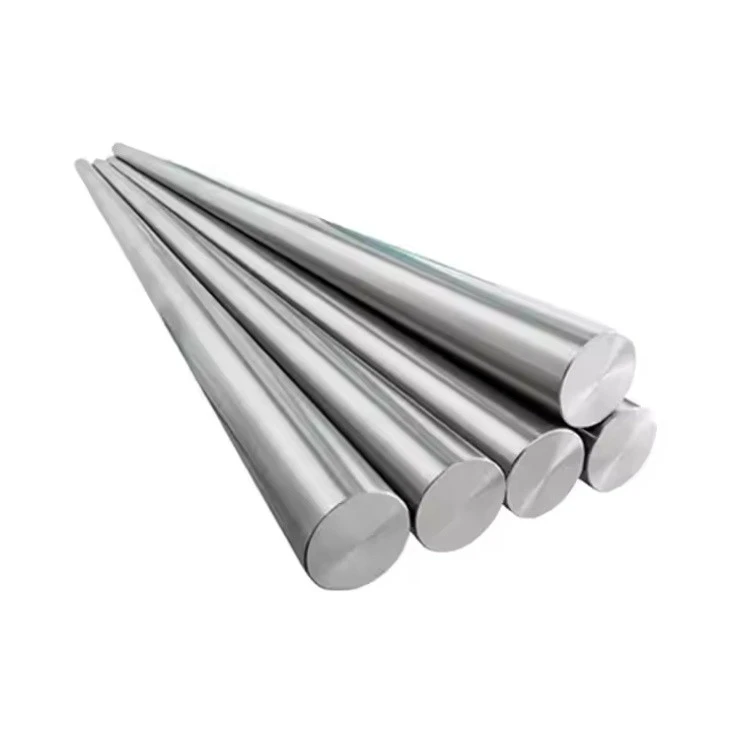
Another interesting application is in the manufacturing of musical instruments. Some high - end musical instrument makers are starting to use titanium bars and rods. The unique acoustic properties of titanium can give instruments a distinct sound. The way titanium conducts and reflects sound can create a rich and resonant tone, which is highly sought after by musicians.
Different Grades of Titanium and Their Acoustic Properties
There are different grades of titanium, and each grade can have slightly different acoustic properties. For example, Grade 36 Titanium Bar/Rod has its own set of characteristics. The alloying elements in different grades can affect the density, elastic modulus, and other factors that influence acoustic behavior.
Grade 36 titanium might have a different speed of sound compared to other grades due to its specific chemical composition. The presence of certain elements can change the internal structure of the titanium, which in turn affects how sound waves travel through it. This means that for different applications, the choice of titanium grade can be based on its acoustic properties as well as other mechanical and chemical properties.
Factors Affecting Acoustic Properties
Apart from the grade of titanium, there are other factors that can affect the acoustic properties of titanium bars and rods. The manufacturing process is one such factor. For example, if the bar or rod is forged or machined, the internal stresses and grain structure can be altered. These changes can impact how sound waves interact with the material.
Heat treatment also plays a role. Annealing, for instance, can relieve internal stresses in the titanium and change its microstructure. This can lead to changes in the acoustic properties, such as the speed of sound and the degree of sound absorption.
The size and shape of the titanium bar or rod also matter. A thicker bar might conduct sound differently than a thinner one. Similarly, a long rod might have different acoustic characteristics compared to a short one. This is because the geometry can affect the way sound waves propagate through the material.
Why Choose Our Titanium Bars and Rods
As a supplier, we take pride in offering high - quality titanium bars and rods. We ensure that our products are manufactured using the best processes to maintain consistent acoustic properties. Our team of experts carefully selects the grades of titanium based on the intended applications.
Whether you're in the medical, petroleum, aerospace, or musical instrument industry, we can provide you with the right titanium bars and rods to meet your acoustic requirements. We understand the importance of these properties in different applications and work hard to deliver products that perform well.
Let's Talk Business
If you're interested in purchasing titanium bars or rods for your project, I'd love to have a chat with you. We can discuss your specific needs, the acoustic properties you're looking for, and how our products can fit into your application. Don't hesitate to reach out for more information or to start a procurement discussion.
References
- "Titanium: A Technical Guide" by John C. Williams
- "Acoustic Properties of Metals" in the Journal of Acoustics Research
- Industry reports on titanium applications in different sectors.


