

Hey there! I'm a supplier of GR.12 Titanium Wire Rod, and today I wanna talk about the hardness of this amazing material.
First off, let's understand what GR.12 Titanium Wire Rod is. GR.12 titanium alloys are a type of alpha-beta titanium alloy. They're made up of a mix of elements that give the wire rod some pretty cool properties. The primary alloying elements in GR.12 are molybdenum (Mo) and nickel (Ni), which play a crucial role in determining its hardness and other mechanical characteristics.
So, what exactly is hardness? In simple terms, hardness is a material's ability to resist deformation, especially when it comes to indentation, scratching, or abrasion. For GR.12 Titanium Wire Rod, its hardness is a key factor that affects its performance in various applications.
The hardness of GR.12 Titanium Wire Rod is typically measured using different scales. One of the most common scales is the Rockwell hardness scale. The Rockwell hardness test involves pressing a hard indenter into the surface of the material and measuring the depth of the indentation. For GR.12, the Rockwell hardness can vary depending on factors like the heat treatment it's undergone and its chemical composition.
Heat treatment has a huge impact on the hardness of GR.12 Titanium Wire Rod. When the wire rod is annealed, which is a heat treatment process where it's heated to a specific temperature and then slowly cooled, it becomes more ductile and its hardness decreases. On the other hand, if it's solution treated and aged, the hardness can increase significantly. Solution treatment involves heating the material to a high temperature to dissolve the alloying elements, and then quenching it rapidly. After that, aging at a lower temperature causes the formation of fine precipitates, which strengthen the material and increase its hardness.
The chemical composition also matters a lot. The amount of molybdenum and nickel in GR.12 can influence how hard the wire rod is. These elements form solid solutions with titanium, which can enhance the strength and hardness of the material. A higher percentage of these alloying elements generally leads to a harder wire rod.
Now, let's talk about why the hardness of GR.12 Titanium Wire Rod is so important. In many industries, this wire rod is used in applications where it needs to withstand a lot of wear and tear. For example, in the aerospace industry, GR.12 Titanium Wire Rod can be used in components that are exposed to high - stress environments. Its hardness ensures that these components can maintain their shape and functionality over time.
In the medical field, Medical Titanium Wire made from GR.12 can be used in surgical instruments and implants. The hardness of the wire rod is crucial here because it needs to be strong enough to perform its function without deforming. For instance, in dental implants, the wire rod's hardness helps it withstand the forces exerted during chewing.
Compared to other grades of titanium wire rod, like GR1 Titanium Wire Rod and GR2 Titanium Wire, GR.12 has its own unique hardness profile. GR1 is a commercially pure titanium grade, which means it's relatively soft compared to GR.12. GR1 is often used in applications where high formability is required. GR2 is also a commercially pure grade, but it has slightly higher strength and hardness than GR1. However, GR.12, with its alpha - beta alloy structure and specific alloying elements, can achieve a higher level of hardness, making it suitable for more demanding applications.
When it comes to manufacturing GR.12 Titanium Wire Rod, controlling the hardness is a critical part of the process. We, as suppliers, need to ensure that the wire rod meets the required hardness specifications. This involves carefully monitoring the heat treatment parameters and the chemical composition during production. Quality control tests are carried out regularly to check the hardness of the wire rod using methods like the Rockwell hardness test.
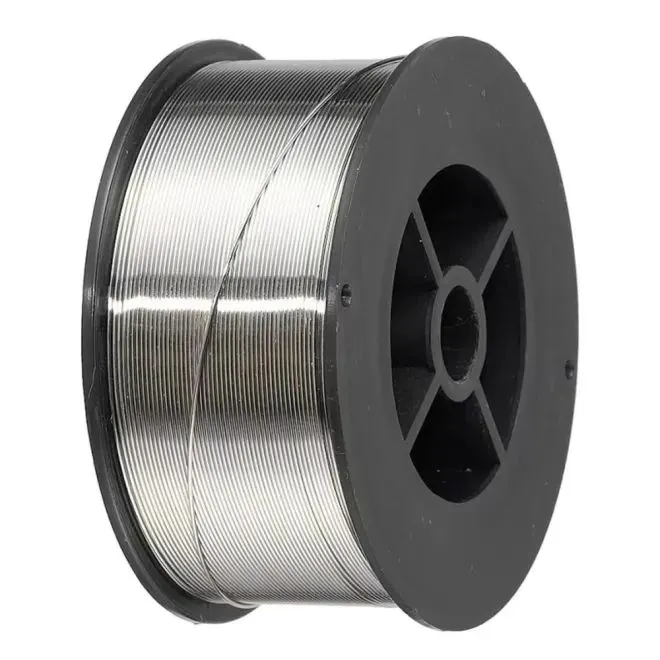

If you're in the market for GR.12 Titanium Wire Rod, you need to consider the hardness based on your specific application. If you need a wire rod for a high - stress application, you'll want a harder material. But if you need it for something that requires more flexibility, a lower hardness might be more suitable.
As a supplier, I've seen firsthand how important it is to provide high - quality GR.12 Titanium Wire Rod with the right hardness. We work closely with our customers to understand their needs and provide them with the best possible product. Whether you're in the aerospace, medical, or any other industry that uses titanium wire rod, we can help you find the perfect GR.12 solution.
So, if you're interested in purchasing GR.12 Titanium Wire Rod, don't hesitate to reach out. We're here to answer all your questions about hardness, applications, and anything else related to our product. Let's have a chat and see how we can work together to meet your requirements.
References
- "Titanium and Titanium Alloys: Fundamentals and Applications" by John C. Williams
- ASTM standards for titanium wire rods


