

Medical titanium screws have emerged as a revolutionary solution in modern orthopedic and dental surgeries, significantly influencing bone remodeling processes. As a leading supplier of medical titanium screws, I am excited to delve into the science behind these remarkable devices and explore their impact on bone health.
Understanding Bone Remodeling
Bone remodeling is a dynamic and continuous process that involves the resorption of old or damaged bone by osteoclasts and the subsequent formation of new bone by osteoblasts. This process is essential for maintaining bone strength, repairing fractures, and adapting to changes in mechanical stress. In healthy individuals, bone remodeling is carefully regulated by a complex interplay of hormonal, mechanical, and cellular factors. However, in cases of bone injury, disease, or aging, this delicate balance can be disrupted, leading to conditions such as osteoporosis, osteopenia, or delayed fracture healing.
The Role of Medical Titanium Screws in Bone Remodeling
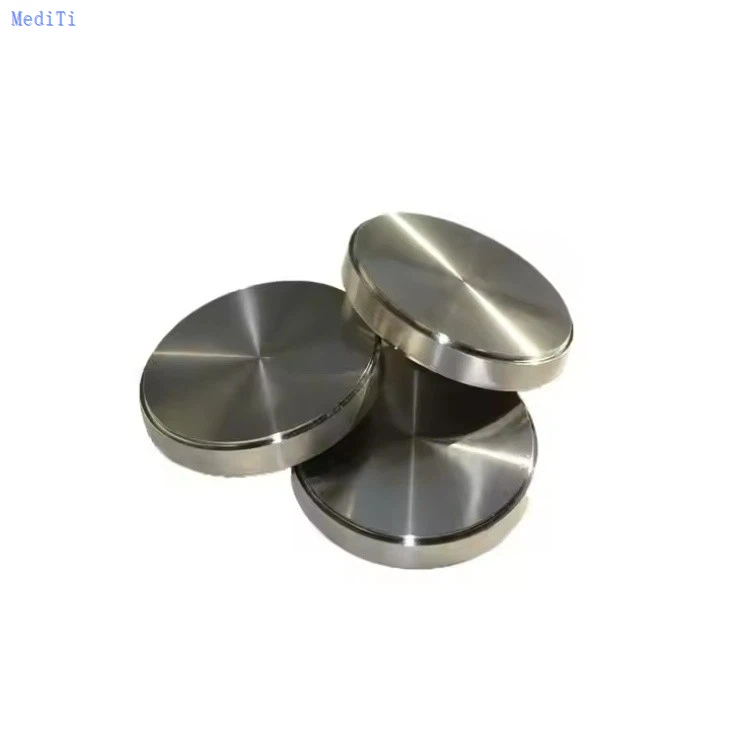
Medical titanium screws are widely used in orthopedic and dental surgeries to provide mechanical support, stabilize fractures, and facilitate bone healing. These screws are typically made from titanium alloys, such as Ti6Al4V GR5, which offer excellent biocompatibility, corrosion resistance, and mechanical properties. When implanted into the bone, medical titanium screws interact with the surrounding bone tissue, triggering a series of biological responses that ultimately influence bone remodeling.

Osseointegration
One of the key mechanisms by which medical titanium screws influence bone remodeling is through osseointegration. Osseointegration refers to the direct structural and functional connection between the implant surface and the living bone tissue. Titanium screws have a unique ability to form a strong bond with the bone through a process called osseoconduction, in which the bone cells grow directly onto the surface of the implant. This intimate contact between the screw and the bone provides mechanical stability and promotes the transfer of loads between the implant and the surrounding bone tissue.
The process of osseointegration begins immediately after the implantation of the titanium screw. Within the first few days, blood clots form around the implant, providing a temporary matrix for the recruitment and attachment of inflammatory cells, fibroblasts, and progenitor cells. Over the next few weeks, these cells differentiate into osteoblasts, which begin to secrete a collagenous matrix that gradually mineralizes to form new bone. As the new bone grows, it gradually surrounds and incorporates the titanium screw, creating a stable interface between the implant and the bone.
Mechanical Stimulation
In addition to promoting osseointegration, medical titanium screws also provide mechanical stimulation to the surrounding bone tissue. When a load is applied to the implant, such as during weight-bearing activities, the titanium screw transfers the load to the surrounding bone, causing it to deform. This deformation stimulates the bone cells to respond by increasing the production of bone-forming cytokines and growth factors, which in turn promote bone remodeling and the formation of new bone.
The amount and type of mechanical stimulation provided by the titanium screw depend on several factors, including the design of the screw, the material properties of the implant, and the mechanical environment of the surrounding bone tissue. For example, screws with a high pitch and a large diameter are more effective at transferring loads to the bone than screws with a low pitch and a small diameter. Similarly, screws made from materials with a high stiffness, such as titanium alloys, are more effective at providing mechanical stimulation than screws made from materials with a low stiffness, such as polymers.
Biocompatibility
Another important factor that influences the impact of medical titanium screws on bone remodeling is their biocompatibility. Biocompatibility refers to the ability of a material to interact with the biological environment without causing an adverse reaction. Titanium alloys, such as Ti6Al4V GR5, are widely regarded as one of the most biocompatible materials available for medical applications. These alloys have a low reactivity with the body's tissues and fluids, which minimizes the risk of inflammation, infection, and allergic reactions.
The biocompatibility of medical titanium screws is also enhanced by the presence of a thin oxide layer on the surface of the implant. This oxide layer acts as a protective barrier, preventing the release of metal ions from the implant into the surrounding tissue. In addition, the oxide layer provides a favorable surface for the attachment and growth of bone cells, which promotes osseointegration and bone remodeling.
Clinical Applications of Medical Titanium Screws
Medical titanium screws are used in a wide range of orthopedic and dental applications, including fracture fixation, spinal fusion, joint replacement, and dental implantology. In each of these applications, the titanium screws play a critical role in providing mechanical support and promoting bone healing.
Fracture Fixation
One of the most common applications of medical titanium screws is in fracture fixation. In cases of bone fractures, titanium screws are used to hold the broken bone fragments together, allowing them to heal properly. The screws can be inserted percutaneously or through an open surgical approach, depending on the location and severity of the fracture.
The use of titanium screws in fracture fixation has several advantages over traditional methods, such as plaster casts or external fixators. Titanium screws provide more stable fixation, which allows for earlier mobilization and weight-bearing of the injured limb. In addition, titanium screws are less likely to cause skin irritation or soft tissue damage than external fixators, which can improve the patient's comfort and quality of life.
Spinal Fusion
Medical titanium screws are also widely used in spinal fusion surgery, which is a procedure used to treat a variety of spinal conditions, such as degenerative disc disease, spinal stenosis, and scoliosis. In spinal fusion surgery, titanium screws are used to stabilize the spine and promote the growth of new bone between the vertebrae.
The use of titanium screws in spinal fusion surgery has several advantages over traditional methods, such as bone grafts or metal plates. Titanium screws provide more stable fixation, which allows for faster healing and better outcomes. In addition, titanium screws are less likely to cause complications, such as infection or hardware failure, than traditional methods.
Joint Replacement
Medical titanium screws are also used in joint replacement surgery, which is a procedure used to replace damaged or diseased joints with artificial joints. In joint replacement surgery, titanium screws are used to secure the artificial joint to the surrounding bone.
The use of titanium screws in joint replacement surgery has several advantages over traditional methods, such as cemented or press-fit implants. Titanium screws provide more stable fixation, which allows for better alignment and function of the artificial joint. In addition, titanium screws are less likely to cause complications, such as aseptic loosening or infection, than traditional methods.
Dental Implantology
Medical titanium screws are also widely used in dental implantology, which is a procedure used to replace missing teeth with artificial teeth. In dental implantology, titanium screws are used to anchor the dental implant to the jawbone.
The use of titanium screws in dental implantology has several advantages over traditional methods, such as dentures or bridges. Titanium screws provide more stable fixation, which allows for better chewing and speaking function. In addition, titanium screws are less likely to cause complications, such as gum recession or bone loss, than traditional methods.
Conclusion
Medical titanium screws have revolutionized the field of orthopedic and dental surgery by providing a safe, effective, and reliable solution for bone fixation and reconstruction. These screws have a unique ability to interact with the surrounding bone tissue, promoting osseointegration, mechanical stimulation, and bone remodeling. As a result, medical titanium screws have become the gold standard for a wide range of orthopedic and dental applications, including fracture fixation, spinal fusion, joint replacement, and dental implantology.
If you are interested in learning more about our Medical Titanium Screws or would like to discuss your specific needs, please feel free to contact us. We are committed to providing our customers with the highest quality products and services, and we look forward to the opportunity to work with you.
References
- Brunski, J. B. (2002). Biomaterials and biomechanics of total joint replacement. Clinical Orthopaedics and Related Research, 405, 8-20.
- Hench, L. L., & Polak, J. M. (2002). Third-generation biomedical materials. Science, 295(5557), 1014-1017.
- Ratner, B. D., Hoffman, A. S., Schoen, F. J., & Lemons, J. E. (Eds.). (2004). Biomaterials science: An introduction to materials in medicine. Elsevier.
- Rydevik, B., Sjöström, R., & Bagge, U. (1981). Nerve conduction in the ulnar nerve following silicone rubber or titanium plate fixation of the medial epicondyle of the humerus. An experimental study in the rabbit. Journal of Bone and Joint Surgery - British Volume, 63-B(3), 356-360.


