

Titanium powder is a remarkable material with a wide range of applications, from aerospace to medical devices. As a leading titanium powder supplier, I am often asked about the reaction of titanium powder with nitrogen. In this blog post, I will delve into the details of this reaction, its implications, and how it relates to the quality and performance of our titanium powder products.
Understanding the Reaction Mechanism
Titanium is a highly reactive metal, especially in its powder form. When titanium powder comes into contact with nitrogen gas at elevated temperatures, a chemical reaction occurs, resulting in the formation of titanium nitride (TiN). This reaction can be represented by the following equation:
2Ti + N₂ → 2TiN
The reaction typically takes place at temperatures above 800°C (1472°F). At these high temperatures, the titanium atoms have sufficient energy to break the strong triple bond in nitrogen molecules (N≡N) and form new bonds with nitrogen atoms. The resulting titanium nitride is a hard, wear-resistant ceramic material with a golden-yellow color.
Factors Affecting the Reaction
Several factors can influence the reaction of titanium powder with nitrogen, including:
- Temperature: As mentioned earlier, the reaction requires a high temperature to initiate. The rate of the reaction increases with increasing temperature, but too high a temperature can lead to excessive grain growth and other undesirable effects.
- Particle Size: The particle size of the titanium powder plays a crucial role in the reaction. Smaller particles have a larger surface area, which provides more sites for the reaction to occur. As a result, finer titanium powders react more readily with nitrogen than coarser powders.
- Nitrogen Concentration: The concentration of nitrogen in the surrounding environment also affects the reaction. Higher nitrogen concentrations generally lead to a faster reaction rate and a higher yield of titanium nitride.
- Reaction Time: The duration of the reaction is another important factor. Longer reaction times allow for more complete conversion of titanium to titanium nitride, but they also increase the risk of overheating and other issues.
Implications for Titanium Powder Quality
The reaction of titanium powder with nitrogen can have both positive and negative implications for the quality and performance of the powder.

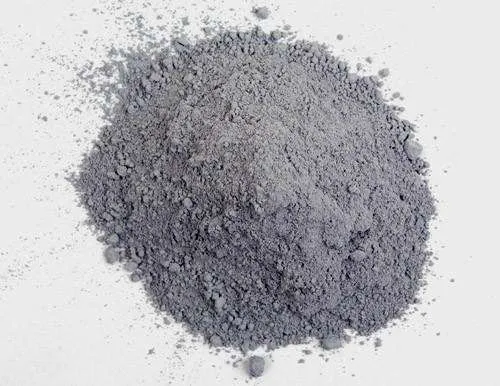
- Positive Implications: Titanium nitride is a highly desirable material due to its excellent hardness, wear resistance, and chemical stability. By controlling the reaction conditions, we can intentionally form a thin layer of titanium nitride on the surface of the titanium powder particles. This surface coating can improve the powder's corrosion resistance, reduce friction, and enhance its performance in various applications.
- Negative Implications: On the other hand, if the reaction is not properly controlled, excessive formation of titanium nitride can occur, leading to a decrease in the purity and ductility of the titanium powder. This can have a detrimental effect on the mechanical properties of the final product, such as strength and toughness.
Applications of Titanium Nitride
Titanium nitride has a wide range of applications in various industries, including:
- Cutting Tools: Titanium nitride coatings are commonly used on cutting tools, such as drills, end mills, and inserts, to improve their wear resistance and cutting performance. The hard and slippery surface of titanium nitride reduces friction and heat generation, resulting in longer tool life and better machining quality.
- Decorative Coatings: The golden-yellow color of titanium nitride makes it a popular choice for decorative coatings on jewelry, watches, and other consumer products. The coating provides a durable and attractive finish that is resistant to scratching and tarnishing.
- Semiconductor Industry: Titanium nitride is used as a diffusion barrier and contact material in semiconductor devices. Its high electrical conductivity and chemical stability make it suitable for use in integrated circuits and other electronic components.
- Medical Implants: Titanium nitride coatings can be applied to medical implants, such as dental implants and orthopedic devices, to improve their biocompatibility and corrosion resistance. The coating helps to reduce the risk of infection and inflammation, and it can enhance the integration of the implant with the surrounding tissue.
Our Titanium Powder Products
As a titanium powder supplier, we offer a wide range of high-quality titanium powders for various applications. Our powders are carefully processed and tested to ensure consistent quality and performance.
- Titanium Alloy Powder: Our titanium alloy powders are available in a variety of compositions, including Ti-6Al-4V, Ti-5Al-2.5Sn, and others. These alloys offer excellent strength, corrosion resistance, and weldability, making them suitable for use in aerospace, automotive, and other industries.
- 3D Printing Dental Titanium Powder: Our 3D printing dental titanium powder is specifically designed for use in the production of dental implants and other dental applications. The powder has a fine particle size and a high purity, which ensures excellent printability and biocompatibility.
Contact Us for Titanium Powder Procurement
If you are interested in purchasing titanium powder for your specific application, we would be delighted to assist you. Our team of experts can provide you with detailed information about our products, help you select the right powder for your needs, and offer technical support throughout the procurement process.
Whether you require a small quantity of titanium powder for research and development or a large-scale supply for industrial production, we have the capabilities and resources to meet your requirements. Please feel free to contact us to discuss your procurement needs and to request a quote.
References
-ASM Handbook, Volume 2: Properties and Selection: Nonferrous Alloys and Special-Purpose Materials, ASM International, 1990.
- "Titanium and Titanium Alloys: Fundamentals and Applications," edited by E. W. Collings and U. Anselmi-Tamburini, Wiley-VCH, 2002.
- "Powder Metallurgy Principles and Applications," third edition, edited by J. W. Newkirk and J. A. Kiggans, Jr., Metal Powder Industries Federation, 2013.


