

In the realm of high - performance metals, GR.1 Titanium Wire Rod stands out as a remarkable material, known for its exceptional properties and wide - ranging applications. As a leading supplier of GR.1 Titanium Wire Rod, I am often asked about the surface finish of this product. In this blog post, I will delve into the details of the surface finish of GR.1 Titanium Wire Rod, its significance, and how it impacts the performance and applications of the material.
Understanding GR.1 Titanium
Before we discuss the surface finish, it's essential to have a basic understanding of GR.1 Titanium. GR.1 Titanium is an unalloyed titanium grade, which means it is composed almost entirely of titanium. It is known for its excellent corrosion resistance, high ductility, and low density. These properties make it suitable for a variety of industries, including aerospace, medical, and chemical processing.
The Importance of Surface Finish
The surface finish of GR.1 Titanium Wire Rod plays a crucial role in its performance and functionality. A proper surface finish can enhance the corrosion resistance of the material, improve its aesthetic appearance, and reduce friction. Moreover, in applications where the wire rod is used for welding or joining, a smooth and clean surface finish is essential to ensure a high - quality weld.
Types of Surface Finishes for GR.1 Titanium Wire Rod
There are several types of surface finishes that can be applied to GR.1 Titanium Wire Rod, each with its own characteristics and benefits.
Mill Finish
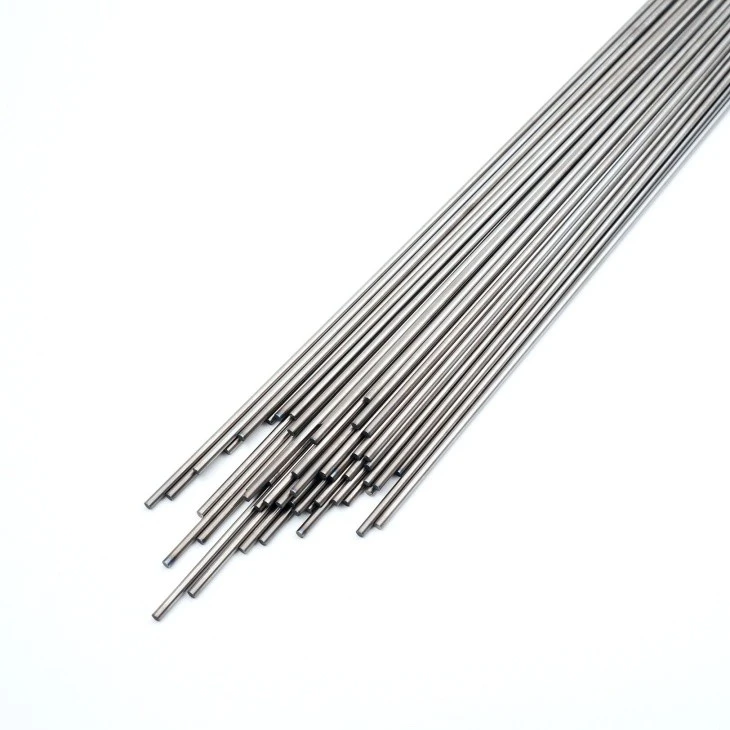
The mill finish is the most basic surface finish for GR.1 Titanium Wire Rod. It is the finish that the wire rod has when it leaves the manufacturing mill. The mill finish is usually a dull, matte surface with some minor surface irregularities. This finish is suitable for applications where the appearance of the wire rod is not critical, and it provides a good balance between cost and performance.
Bright Finish
A bright finish is achieved by further processing the mill - finished wire rod. This typically involves polishing or buffing the surface to remove surface imperfections and create a smooth, shiny appearance. The bright finish not only enhances the aesthetic appeal of the wire rod but also improves its corrosion resistance. It is commonly used in applications where the wire rod is visible, such as in architectural or decorative applications.
Pickled Finish
Pickling is a chemical process used to remove surface oxides and contaminants from the wire rod. The pickled finish results in a clean, uniform surface that is free from scale and other impurities. This finish is often used in applications where the wire rod will be welded or where a high level of cleanliness is required. After pickling, the wire rod may be passivated to further enhance its corrosion resistance.
Passivated Finish
Passivation is a process that forms a thin, protective oxide layer on the surface of the titanium wire rod. This oxide layer acts as a barrier, preventing further oxidation and corrosion of the material. A passivated finish is commonly used in applications where the wire rod will be exposed to harsh environments, such as in the chemical or marine industries.
Impact of Surface Finish on Applications
The choice of surface finish for GR.1 Titanium Wire Rod depends on the specific application requirements.

Aerospace Applications
In the aerospace industry, GR.1 Titanium Wire Rod is used in various components, such as fasteners and structural elements. A smooth and clean surface finish is crucial to ensure the integrity of the components. A bright or passivated finish may be preferred, as it provides good corrosion resistance and can withstand the high - stress and high - temperature environments typically encountered in aerospace applications.
Medical Applications
For medical applications, such as surgical instruments and implants, a high - quality surface finish is essential. A pickled and passivated finish is often used to ensure the biocompatibility and cleanliness of the wire rod. The smooth surface reduces the risk of infection and improves the overall performance of the medical device.
Chemical Processing Applications
In the chemical processing industry, GR.1 Titanium Wire Rod is used in equipment that comes into contact with corrosive chemicals. A passivated finish is highly recommended to protect the wire rod from corrosion and ensure its long - term durability.
Comparison with Other Titanium Grades
When comparing the surface finish of GR.1 Titanium Wire Rod with other titanium grades, such as Gr23 Titanium wire and GR2 Titanium Wire, there are some similarities and differences.
GR.23 Titanium is a high - strength alloy, and its surface finish requirements may be different depending on the application. In some cases, a more advanced surface treatment may be required to achieve the desired performance. GR.2 Titanium, on the other hand, is also an unalloyed grade, similar to GR.1 Titanium. However, the specific chemical composition and mechanical properties of GR.2 may result in slightly different surface finish characteristics.
Surface Finish and Welding
When using GR.1 Titanium Wire Rod for welding, the surface finish is of utmost importance. A clean and smooth surface is necessary to ensure a strong and reliable weld. If the surface has contaminants or oxides, it can lead to weld defects, such as porosity or lack of fusion. For welding applications, a pickled and passivated finish is often recommended. Additionally, Titanium Alloy Grade 1 Filler Wire (ERTi - 1) is commonly used, which should also have a proper surface finish to ensure compatibility with the base material.
Quality Control of Surface Finish
As a supplier of GR.1 Titanium Wire Rod, we have a strict quality control process in place to ensure that the surface finish meets the highest standards. We use advanced inspection techniques, such as visual inspection, surface roughness measurement, and chemical analysis, to verify the quality of the surface finish. This helps us to provide our customers with wire rods that meet their specific requirements.
Conclusion
In conclusion, the surface finish of GR.1 Titanium Wire Rod is a critical factor that affects its performance, appearance, and suitability for different applications. Whether it's a mill finish for cost - effective applications or a bright, passivated finish for high - end uses, choosing the right surface finish is essential. As a supplier, we are committed to providing high - quality GR.1 Titanium Wire Rod with the appropriate surface finish to meet the diverse needs of our customers.
If you are interested in purchasing GR.1 Titanium Wire Rod or have any questions about our products, please feel free to contact us for further discussion and procurement negotiation. We look forward to serving you and providing you with the best solutions for your titanium wire rod needs.
References
- ASM Handbook Volume 2: Properties and Selection: Nonferrous Alloys and Special - Purpose Materials.
- Titanium: A Technical Guide, Second Edition by John C. Williams.
- Standards and specifications related to titanium materials published by ASTM International.


