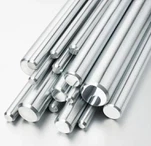
Properties of Titanium Plates
1. Strength-to-weight ratio: Titanium has a high strength-to-weight ratio, making it ideal for applications such as aerospace components where weight reduction is critical. This property allows engineers to design lighter structures without compromising strength, which is critical to improving the fuel efficiency and performance of aircraft.
2. Corrosion resistance: Titanium has a strong resistance to corrosion, especially in harsh environments, which can extend the service life of components made from this material. This property is particularly valuable in industries such as marine and chemical processing, where exposure to salt water and corrosive chemicals can cause other metals to degrade rapidly.
3. Biocompatibility: Certain grades of titanium are biocompatible, making them suitable for use in medical implants and devices. This means that titanium can be safely used in the human body without causing adverse reactions, which is critical for applications such as orthopedic implants and dental fixtures.
4. Weldability: Titanium can be welded using a variety of techniques, allowing for the creation of complex structures. However, welding titanium requires a carefully controlled environment to prevent contamination, which can compromise the integrity of the weld.

Titanium Plate Production Process
The production of titanium plates involves several key steps:
1. Extraction and Purification
Titanium is mainly extracted from ores such as rutile and ilmenite. The extraction process involves the Kroll process, in which magnesium is used to reduce titanium tetrachloride to produce titanium sponge. The process is energy-intensive and requires careful handling to ensure the purity of the titanium produced, as impurities can seriously affect the properties of the material.
2. Melting
The titanium sponge is melted in a vacuum or inert gas to prevent contamination. The process can be completed using methods such as electron beam melting or vacuum arc remelting. The melting process is critical because it determines the microstructure of titanium, which in turn affects its mechanical properties.
3. Rolling
After melting, titanium is cast into slabs and then made into sheets and plates by hot or cold rolling. The rolling process determines the final thickness and surface finish of the product. Hot rolling is generally used for thicker plates, while cold rolling is used for thinner plates to achieve tighter tolerances and better surface quality.
4. Annealing
To relieve stresses created during rolling, titanium sheets may go through an annealing process, which involves heating the material to a specific temperature and then cooling it. This step is essential to enhancing the ductility of titanium, making it easier to work with during subsequent manufacturing.
5. Finishing
Finally, sheets and plates are cut to size and may be surface treated to enhance their properties, such as polishing or coating. Surface treatments can improve corrosion and wear resistance, making titanium sheets more suitable for demanding applications.
Challenges of Titanium Sheet Machining
While titanium offers many advantages, its use also presents challenges:
1. Cost: Titanium is more expensive than many other metals, which can be a barrier for some applications. High raw material and machining costs can limit its use to low-budget projects, so manufacturers must weigh the benefits against the costs.
2. Machinability: Titanium is difficult to machine due to its strength and toughness, requiring specialized tools and techniques. Machining titanium generally requires lower cutting speeds and stronger tools to prevent wear and ensure precision.
3. Welding: While titanium can be welded, the environment needs to be carefully controlled to prevent contamination and ensure a strong joint. Specialized welding techniques and equipment are required, which can add complexity and cost to projects involving titanium.

Conclusion
Titanium plates are an important material in modern manufacturing, with a unique combination of strength, lightness, and corrosion resistance. Their applications span industries ranging from aerospace to medical devices, highlighting their versatility and importance. As technology advances, demand for titanium plates is expected to grow, driven by the need for high-performance materials in challenging environments. Understanding the properties, manufacturing processes, and applications of titanium plates can help industries leverage this extraordinary material to enhance their products and operations.
Frequently Asked Questions (FAQ)
1. What are the most common grades of titanium plates?
The most common grades include Grade 1 (commercially pure), Grade 2 (commercially pure and higher strength), Grade 5 (6AL-4V alloy), and Grade 9 (aluminum vanadium alloy). Each grade has specific properties that make it suitable for different applications, and manufacturers can choose the best option based on their needs.
2. How are titanium plates made?
The production process of titanium plates includes extraction, smelting, rolling, annealing, and finishing. Each step is critical in determining the final properties of titanium to ensure it meets the specifications required for the intended use.
3. What industries require titanium plates?
Titanium alloy sheet is used in aerospace, medical, marine, automotive and industrial applications. Its unique properties make it suitable for a variety of demanding environments where performance and reliability are critical.
4. What are the advantages of using titanium over other metals?
Titanium has a high strength-to-weight ratio, excellent corrosion resistance, biocompatibility and durability. These advantages make it a top choice for applications where performance and longevity are critical.
5. Can titanium sheet be recycled?
Yes, titanium is a recyclable material, making it an environmentally friendly manufacturing choice. Recycling titanium helps reduce waste and the environmental impact of producing new materials, helping industries across industries adopt more sustainable practices.