

As a supplier of ASTM B348 rectangular bars, I often receive inquiries from clients in the marine industry about the suitability of these bars for their projects. The marine environment is a harsh and challenging one, with factors such as saltwater corrosion, high humidity, and mechanical stress posing significant threats to the integrity of materials. In this blog post, I will explore whether ASTM B348 rectangular bars can be used in marine environments, taking into account their properties, performance, and potential applications.
Understanding ASTM B348 Rectangular Bars
ASTM B348 is a standard specification for titanium and titanium alloy bars and shapes. This standard covers a range of titanium alloys, including Grade 2, Grade 5 (Ti-6Al-4V), and other high-strength alloys. ASTM B348 rectangular bars are typically used in applications where high strength, corrosion resistance, and lightweight properties are required. These bars are commonly used in industries such as aerospace, medical, and chemical processing.
Properties of ASTM B348 Rectangular Bars
- Corrosion Resistance: Titanium is known for its excellent corrosion resistance, especially in harsh environments. ASTM B348 rectangular bars are highly resistant to corrosion in saltwater, making them a suitable choice for marine applications. The passive oxide layer that forms on the surface of titanium provides a protective barrier against corrosion, preventing the metal from reacting with the surrounding environment.
- High Strength-to-Weight Ratio: Titanium has a high strength-to-weight ratio, which means it can provide significant strength while remaining lightweight. This property makes ASTM B348 rectangular bars ideal for applications where weight reduction is critical, such as in marine vessels and offshore structures.
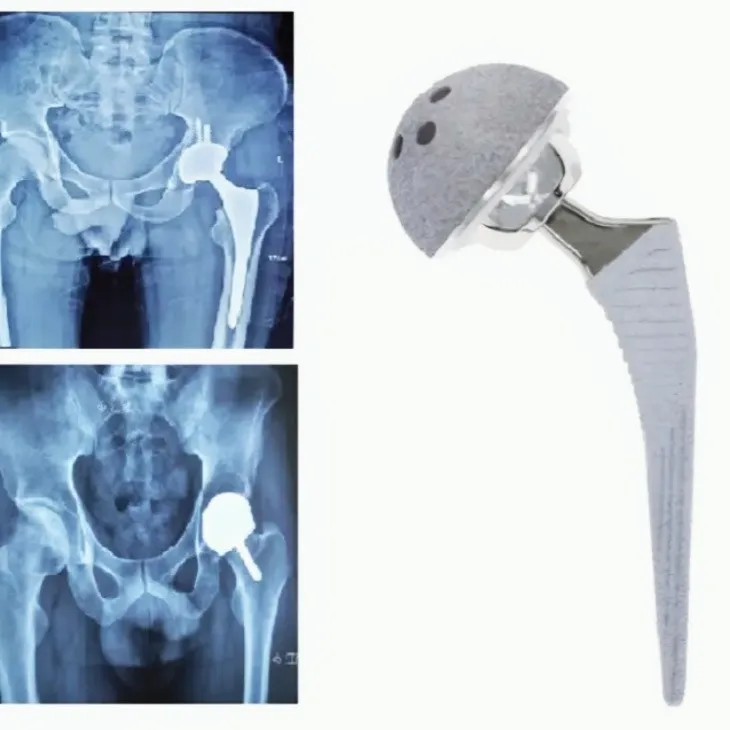
- Biocompatibility: Titanium is biocompatible, which means it is non-toxic and does not cause an adverse reaction when in contact with living tissue. This property makes ASTM B348 rectangular bars suitable for medical applications, such as Medical-Grade Titanium Bar For Hip Joint Replacement and Titanium TI-6AI-4V For Artificial Femoral Head Replacement.
- Good Weldability and Formability: ASTM B348 rectangular bars can be easily welded and formed into various shapes, making them versatile for different applications. This property allows for the fabrication of complex structures and components in the marine industry.
Suitability for Marine Environments
Corrosion Resistance in Saltwater
One of the primary concerns in marine environments is corrosion caused by saltwater. Saltwater contains various salts and minerals that can accelerate the corrosion process of metals. However, titanium's excellent corrosion resistance makes ASTM B348 rectangular bars a reliable choice for marine applications. The passive oxide layer on the surface of titanium provides a stable and protective barrier against saltwater corrosion, even in highly aggressive environments.
Resistance to Marine Organisms
In addition to saltwater corrosion, marine organisms such as barnacles, mussels, and algae can also attach to the surface of materials, causing fouling and increasing the risk of corrosion. Titanium's smooth surface and low surface energy make it less prone to biofouling compared to other metals. This property reduces the need for frequent cleaning and maintenance, making ASTM B348 rectangular bars a cost-effective solution for marine applications.
Mechanical Performance in Marine Conditions
Marine environments are subject to various mechanical stresses, including waves, currents, and vibrations. ASTM B348 rectangular bars have high strength and excellent fatigue resistance, which allows them to withstand these mechanical stresses without significant deformation or failure. This property makes them suitable for structural components in marine vessels, offshore platforms, and other marine structures.

Applications in the Marine Industry
Marine Vessels
ASTM B348 rectangular bars can be used in the construction of marine vessels, including hulls, decks, and superstructures. Their high strength-to-weight ratio and corrosion resistance make them ideal for reducing the weight of the vessel while maintaining its structural integrity. Additionally, the biocompatibility of titanium makes it a suitable choice for applications in contact with seawater, such as propellers and rudders.
Offshore Structures
Offshore structures, such as oil rigs and wind turbines, are exposed to harsh marine environments for extended periods. ASTM B348 rectangular bars can be used in the construction of these structures, providing high strength and corrosion resistance. Their lightweight properties also reduce the overall weight of the structure, making it easier to install and maintain.
Underwater Pipelines
Underwater pipelines are used to transport oil, gas, and other fluids in the marine environment. ASTM B348 rectangular bars can be used in the construction of these pipelines, providing corrosion resistance and high strength. Their resistance to biofouling also reduces the risk of blockages and damage to the pipeline.
Medical Applications in Marine Settings
In addition to traditional marine applications, ASTM B348 rectangular bars can also be used in medical applications in marine settings. For example, Femur Prosthetic Replacement Titanium Rod can be used in medical facilities on offshore platforms or in remote coastal areas. The biocompatibility and corrosion resistance of titanium make it a suitable choice for these applications, ensuring the long-term performance and safety of the medical devices.
Conclusion
In conclusion, ASTM B348 rectangular bars are a suitable choice for use in marine environments. Their excellent corrosion resistance, high strength-to-weight ratio, and good mechanical performance make them ideal for a wide range of marine applications, including marine vessels, offshore structures, underwater pipelines, and medical applications in marine settings. If you are considering using ASTM B348 rectangular bars in your marine project, I encourage you to contact us to discuss your specific requirements. We have a team of experts who can provide you with detailed information and guidance on the selection and application of these bars.
References
- ASTM International. (2023). ASTM B348 - Standard Specification for Titanium and Titanium Alloy Bars and Shapes.
- ASM Handbook Committee. (2000). ASM Handbook Volume 2: Properties and Selection: Nonferrous Alloys and Special-Purpose Materials. ASM International.
- Callister, W. D., & Rethwisch, D. G. (2014). Materials Science and Engineering: An Introduction. Wiley.


