

Hey there! I'm a supplier of GR.1 Titanium Wire Rod, and I often get asked if this stuff can be used in the automotive industry. Well, let's dig into it and find out.
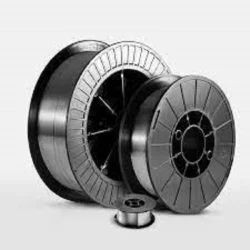
First off, what the heck is GR.1 Titanium Wire Rod? GR.1 titanium is the purest grade of commercially pure titanium. It's known for its excellent corrosion resistance, high ductility, and good formability. This wire rod is made by processing GR.1 titanium into a long, slender shape that's ready for various applications.
Now, let's talk about the automotive industry. It's a pretty demanding field, with high - performance requirements, strict safety standards, and a constant push for innovation. There are a few key areas where GR.1 Titanium Wire Rod might just fit right in.
Lightweighting
One of the biggest trends in the automotive world is lightweighting. In simpler terms, car manufacturers are trying to make cars lighter without sacrificing safety or performance. Why? Well, lighter cars use less fuel, which means better fuel efficiency and lower emissions. That's great for the environment and your wallet at the gas pump.
GR.1 Titanium Wire Rod has a density of about 4.5 g/cm³, which is less than half that of steel. This makes it a great option for parts where reducing weight is crucial. For example, it could be used in the development of suspension components, like springs or shock absorber rods. By using GR.1 Titanium Wire Rod instead of traditional steel, carmakers can cut down on the overall weight of the vehicle, leading to better handling and improved fuel economy.

Corrosion Resistance
Cars are exposed to all kinds of harsh environments. They're driving through rain, snow, and salt - treated roads, which can cause significant corrosion over time. That's where the corrosion - resistant properties of GR.1 Titanium Wire Rod come in handy.
This grade of titanium forms a thin, protective oxide layer on its surface when exposed to oxygen. This layer acts as a shield, preventing further corrosion and adding to the longevity of the parts made from it. In the automotive industry, it could be used for parts like exhaust systems or fuel lines. These parts are constantly in contact with corrosive substances, and using GR.1 Titanium Wire Rod would ensure they last longer and perform better.
High - Temperature Resistance
Engines generate a ton of heat, and some automotive components need to withstand high temperatures without losing their structural integrity. GR.1 Titanium Wire Rod has good high - temperature resistance. It can maintain its strength and ductility even at elevated temperatures, which means it's suitable for use in engine components.
For example, it could be used in the intake or exhaust valves. These valves need to open and close rapidly and precisely, even under extreme heat. GR.1 Titanium Wire Rod's ability to handle high temperatures makes it a viable option for improving the performance and reliability of these critical engine parts.
Cost Considerations
Of course, one of the main concerns in the automotive industry is cost. Titanium is generally more expensive than steel or aluminum. However, when you factor in the long - term benefits, like reduced maintenance costs due to its corrosion resistance and longer lifespan, it might be worth the investment.
Also, as technology advances and production processes become more efficient, the cost of using GR.1 Titanium Wire Rod might come down. Car manufacturers are always looking for ways to balance cost and performance, and with the right applications, GR.1 Titanium Wire Rod could prove to be a cost - effective solution in the long run.
Applications in the Auto Industry
Let's take a closer look at some specific applications where GR.1 Titanium Wire Rod could be used:
- Braking Systems: Titanium wire rods could be used in the manufacturing of brake lines or caliper pistons. The reduced weight would improve the overall performance of the braking system, and the corrosion resistance would ensure they work reliably over time.
- Body Components: Some high - end and specialty vehicles are already using titanium for body panels and frames. GR.1 Titanium Wire Rod could be part of the reinforcement structure, providing strength while keeping the weight down.
- Interior Features: It could even find its way into interior components, like seat frames or decorative trim. The high - quality look and feel of titanium would add a touch of luxury to the car's interior.
Comparing with Other Titanium Grades
In the titanium world, there are different grades, each with its own unique properties. GR.1 is the purest and most ductile, but how does it compare with other grades when it comes to automotive applications?
If you're looking for a grade with higher strength, GR12 Titanium Wire Rod might be a better choice. GR12 is an alloy that contains small amounts of molybdenum and nickel, which gives it increased strength and better corrosion resistance in certain environments.
For aerospace - inspired automotive applications, Titanium Wire for Aerospace often follows strict quality and performance standards. GR.1 might need to be combined with other manufacturing techniques to meet those exacting requirements, but its basic properties still make it a solid starting point.
And then there's Gr23 Titanium wire, which is a highly strong and biocompatible grade. It's more commonly used in medical and high - end aerospace applications, but it's interesting to note the differences when considering automotive use.
Conclusion
So, can GR.1 Titanium Wire Rod be used in the automotive industry? The answer is a resounding yes! Its lightweight, corrosion - resistant, and high - temperature - resistant properties make it a great option for a variety of automotive applications.
While there are cost challenges to overcome, the long - term benefits in terms of performance, durability, and environmental impact are significant. As the automotive industry continues to evolve and look for new materials to meet stricter standards, GR.1 Titanium Wire Rod could play an increasingly important role.
If you're in the automotive industry and interested in exploring the use of GR.1 Titanium Wire Rod for your projects, I'd love to have a chat with you. We can discuss your specific needs, the best applications, and how we can work together to make it happen. So, don't hesitate to reach out and start that conversation about potential procurement.
References
- "Titanium: A Technical Guide" by Don Eylon.
- Industry reports on automotive materials and trends.
- Manufacturer's specifications for GR.1 Titanium Wire Rod.


