

Hey there! I'm a supplier of titanium powder, and I often get asked some pretty interesting questions about where our product can be used. One question that popped up recently is, "Can titanium powder be used in the paper industry?" Let's dig into this topic and find out.
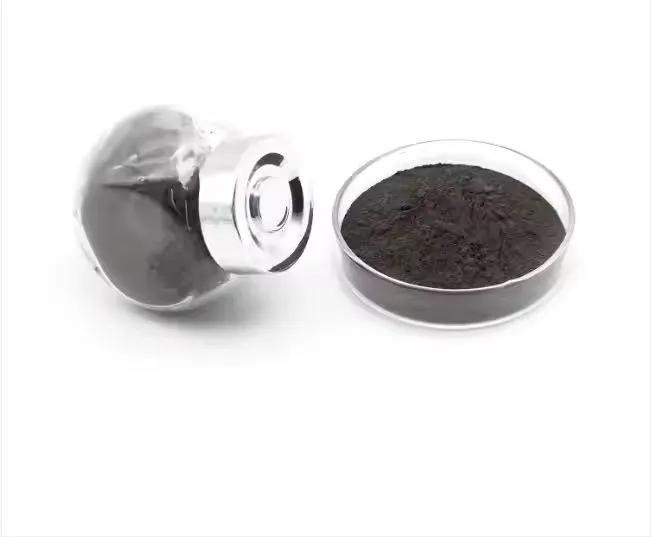
First off, let's quickly go over what titanium powder is. Titanium powder is made from titanium, a super - strong, lightweight, and corrosion - resistant metal. It comes in different forms and purities, and it's used in a whole bunch of industries. For example, it's a big deal in the aerospace industry because of its strength - to - weight ratio. You can also check out 3D Printing Dental Titanium Powder and Titanium Alloy Powder for other cool applications.
Now, let's talk about the paper industry. The paper industry is all about making paper from pulp, which is usually made from wood fibers. They go through a bunch of processes like pulping, refining, and papermaking. The end goal is to produce paper with certain qualities like strength, brightness, and smoothness.
So, can titanium powder fit into this picture? Well, one of the main properties of titanium powder that could be useful in the paper industry is its whiteness. Titanium dioxide, which can be derived from titanium powder, is a well - known white pigment. In fact, it's the most widely used white pigment in the world. It has excellent light - scattering properties, which means it can make things look really white and bright.
When it comes to paper, brightness is a big deal. High - brightness paper is often used for things like magazines, brochures, and high - end printing. By adding a small amount of titanium powder (in the form of titanium dioxide) to the paper pulp, the paper manufacturers can significantly increase the brightness of the paper. It gives the paper a clean, sharp look that's really appealing to consumers.
Another aspect is the opacity of the paper. Opacity is how well the paper blocks light from passing through it. In some types of paper, like packaging paper or printing paper, high opacity is important. Titanium dioxide can improve the opacity of the paper. It scatters light within the paper structure, preventing light from shining through and making the paper look more solid.
But it's not all sunshine and rainbows. There are some challenges when using titanium powder in the paper industry. One of the main issues is cost. Titanium powder isn't exactly cheap. The production process of getting high - quality titanium powder and converting it into titanium dioxide is complex and energy - intensive. This means that adding titanium powder to the paper - making process can increase the production cost. Paper manufacturers need to weigh the benefits of using titanium powder against the extra cost.
There are also some technical challenges. The particle size of the titanium powder matters a lot. If the particles are too big, they might not disperse evenly in the paper pulp. This can lead to uneven brightness and opacity across the paper surface. So, the titanium powder needs to be carefully processed to ensure a consistent particle size.
Another thing to consider is the environmental impact. The extraction and processing of titanium ore to make titanium powder can have a significant environmental footprint. It involves mining, which can cause habitat destruction, and energy - intensive refining processes. However, the paper industry is also becoming more environmentally conscious, so any use of titanium powder would need to be balanced with sustainable practices.
Despite these challenges, there are some cases where the benefits of using titanium powder in the paper industry outweigh the drawbacks. For example, in high - end paper products where the added cost can be justified by the improved quality. Luxury magazines, for instance, often use paper with a high content of titanium dioxide to achieve that premium look.
In addition to the brightness and opacity benefits, titanium powder might also have some potential in improving the strength of the paper. Titanium has good mechanical properties, and in theory, if it can be properly integrated into the paper structure, it could enhance the paper's strength. However, more research is needed in this area to fully understand the potential and how to make it work effectively.
So, to sum it up, titanium powder can definitely be used in the paper industry. Its ability to improve the brightness and opacity of the paper makes it a valuable addition in certain applications. But there are also challenges related to cost, particle size control, and environmental impact that need to be addressed.
If you're in the paper industry and are interested in exploring the use of titanium powder in your production process, I'd love to have a chat with you. We can discuss the different types of titanium powder we offer, their properties, and how they might fit into your specific needs. Whether you're looking to improve the quality of your high - end paper products or just want to experiment with new materials, we're here to help.
In conclusion, the use of titanium powder in the paper industry is an area with both opportunities and challenges. As technology advances and we find more efficient ways to produce and use titanium powder, we might see even more applications in the future.

References
- "The Chemistry of Pigments and Fillers" by John Wiley & Sons
- "Handbook of Paper and Paperboard Packaging Technology" by Wiley - Blackwell


