

Over the years, medical titanium wire technology has witnessed a remarkable evolution, transforming the landscape of the medical industry. As a supplier of medical titanium wire, I've had a front - row seat to these changes, and I'm stoked to share this journey with you.
Early Days of Medical Titanium Wire
Back in the day, the use of titanium in the medical field was just starting to gain traction. Titanium was first recognized for its excellent biocompatibility, which means it doesn't cause adverse reactions when it comes into contact with the human body. This was a game - changer because it opened up a whole new world of possibilities for medical implants.
In the early stages, the production of medical titanium wire was relatively basic. The technology was focused on creating wires with consistent diameters and a smooth surface finish. The main goal was to ensure that the wire could be used safely in simple medical applications like sutures and basic orthopedic fixations. However, the processes were slow and costly, and the quality control wasn't as refined as it is today.
Advancements in Manufacturing Processes
One of the biggest leaps in medical titanium wire technology came with the development of more advanced manufacturing processes. For instance, precision drawing techniques have become a staple in our production. This process allows us to create wires with extremely precise diameters, down to the micrometer level. We can now produce wires that are thinner and stronger than ever before.
Another significant advancement is the use of advanced heat - treatment processes. Heat - treating the titanium wire can enhance its mechanical properties, such as its strength and ductility. By carefully controlling the temperature and duration of the heat - treatment, we can tailor the wire's properties to meet the specific needs of different medical applications.
Alloy Development
As the demand for medical titanium wire grew, so did the need for different alloys. The Gr23 Titanium wire is a prime example. Gr23, also known as Ti - 6Al - 4V ELI (Extra Low Interstitial), is an alloy that offers a great combination of strength, corrosion resistance, and biocompatibility. It's widely used in orthopedic and dental implants because it can withstand the harsh environment inside the human body for long periods.
The GR5 Titanium Wire Rod is another popular alloy. GR5, or Ti - 6Al - 4V, is known for its high strength - to - weight ratio. It's often used in applications where a strong and lightweight material is required, such as in spinal implants and surgical instruments.
Surface Treatment Technologies
Surface treatment of medical titanium wire has also come a long way. In the past, the surface of the wire was mainly left in its natural state. But now, we have a variety of surface treatment options that can improve the wire's performance.
One common surface treatment is anodizing. Anodizing creates a thin oxide layer on the surface of the titanium wire, which can enhance its corrosion resistance and biocompatibility. It also allows for better integration with the surrounding tissues when used in implants.
Another technique is coating the wire with bioactive materials. These coatings can promote cell adhesion and growth, which is crucial for the success of implants. For example, hydroxyapatite coatings can mimic the natural bone structure, encouraging bone cells to attach to the implant and promote faster healing.
Applications in Modern Medicine
The advancements in medical titanium wire technology have led to a wide range of applications in modern medicine. In orthopedics, titanium wires are used in fracture fixation devices, such as pins, plates, and screws. The high strength and biocompatibility of the wire ensure that these devices can hold the bones in place during the healing process without causing any adverse reactions.
In dentistry, titanium wires are used in orthodontic appliances. The wires can be bent and shaped to apply the right amount of force to move the teeth into the correct position. The smooth surface of the wire also reduces friction, making the treatment more comfortable for the patient.
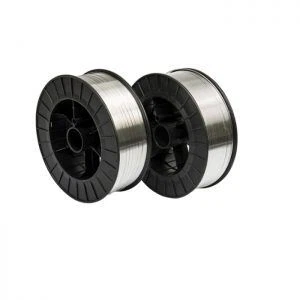

The Titanium Wire for Aerospace technology has also influenced medical applications. The aerospace industry's demand for high - performance materials has driven the development of stronger and more reliable titanium wires, which are now being used in medical devices that require extreme precision and durability.
Quality Control and Standards
With the increasing complexity of medical titanium wire technology, quality control has become more important than ever. We follow strict international standards, such as ASTM and ISO, to ensure that our products meet the highest quality requirements.
We use a variety of testing methods, including mechanical testing, chemical analysis, and microscopic examination, to verify the quality of the wire. This ensures that every batch of wire we produce is consistent in terms of its properties and performance.
Future Outlook
The future of medical titanium wire technology looks bright. There's a growing trend towards the development of personalized medicine, and titanium wire could play a big role in this. We might see the production of custom - made titanium wires for individual patients, based on their specific anatomical and physiological needs.
Another area of potential growth is in the development of smart medical devices. Titanium wires could be integrated with sensors and other electronic components to create devices that can monitor the patient's health in real - time. For example, a titanium wire - based implant could detect changes in the bone density or the presence of infections.
Contact for Procurement
If you're in the market for high - quality medical titanium wire, I'd love to hear from you. Whether you need a specific alloy, a particular diameter, or a custom - made solution, we've got you covered. Reach out to us to start a conversation about your requirements and let's work together to find the best medical titanium wire for your application.
References
- ASTM International standards for titanium materials.
- ISO standards related to medical devices and materials.
- Research papers on the development of titanium alloys and their applications in medicine.


