

Hey there! I'm a supplier of GB/T 2965 Round Bars, and I often get asked about the certification requirements for these bars. So, I thought I'd write this blog to share some insights and clear up any confusion.
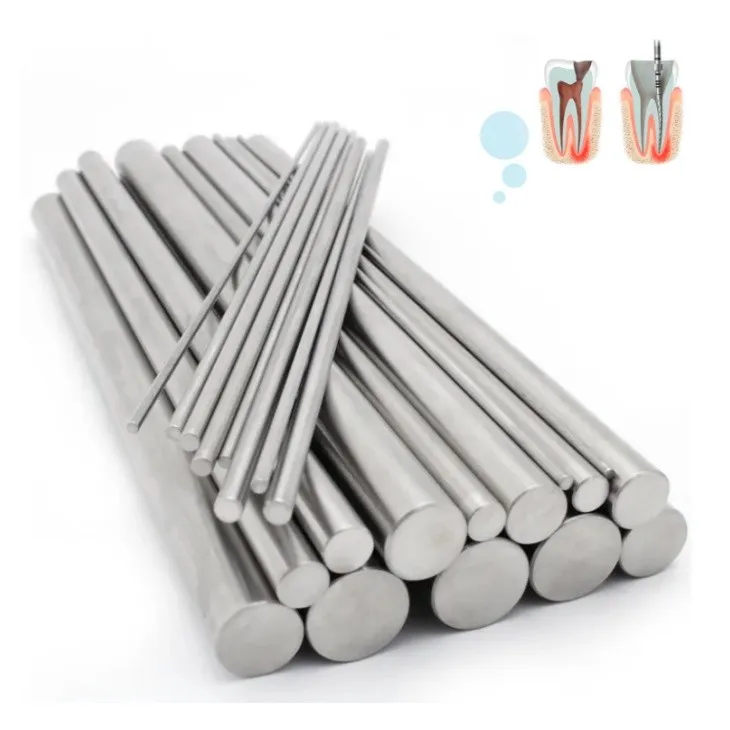
First off, let's talk a bit about what GB/T 2965 Round Bars are. These are round bars made according to the Chinese national standard GB/T 2965, which specifies the technical requirements, test methods, inspection rules, marking, packaging, transportation, and storage for titanium and titanium alloy bars used in general engineering and other applications. They're widely used in various industries due to their excellent properties like high strength, good corrosion resistance, and low density.
Now, onto the certification requirements. When it comes to GB/T 2965 Round Bars, there are several key aspects that need to be certified.

Chemical Composition Certification
The chemical composition of the round bars is crucial. It determines the properties and performance of the bars. For GB/T 2965, the chemical composition must meet the specified requirements for elements such as titanium, aluminum, vanadium, iron, and others. To get certified for chemical composition, suppliers usually conduct chemical analysis using advanced testing methods like spectrometry. This ensures that the bars contain the right amount of each element within the allowable tolerance range. For example, in some titanium alloy round bars, the aluminum content might need to be within a certain percentage to achieve the desired strength and corrosion resistance.
Mechanical Properties Certification
Mechanical properties are another important factor. These include tensile strength, yield strength, elongation, and hardness. The round bars need to meet the mechanical property requirements set by GB/T 2965. To obtain certification for mechanical properties, suppliers perform tests such as tensile tests, hardness tests, and impact tests. Tensile tests are used to measure the maximum stress the bar can withstand before breaking, while hardness tests determine the bar's resistance to indentation. These tests are carried out in accordance with standardized procedures to ensure accurate and reliable results.
Dimensional Accuracy Certification
Dimensional accuracy is also a must - have certification. The round bars should have the correct diameter, length, and straightness as specified in the standard. Suppliers use precision measuring tools like calipers, micrometers, and laser measuring devices to check the dimensions. Any deviation from the specified dimensions must be within the acceptable tolerance limits. For instance, if the standard requires a round bar to have a diameter of 50mm with a tolerance of ±0.1mm, the actual diameter of the bar should fall within the range of 49.9mm to 50.1mm.
Surface Quality Certification
The surface quality of the round bars is important for both aesthetic and functional reasons. The bars should be free from cracks, pits, scratches, and other surface defects. Suppliers visually inspect the bars and may also use non - destructive testing methods like ultrasonic testing or magnetic particle testing to detect any hidden surface or subsurface defects. Surface quality certification ensures that the bars are suitable for their intended applications.
Traceability Certification
Traceability is becoming increasingly important in the industry. It allows customers to track the origin of the raw materials, the manufacturing process, and the testing results of the round bars. Suppliers need to maintain detailed records of the production process, including the source of the raw materials, the manufacturing date, the batch number, and the test results. This traceability certification provides transparency and builds trust with customers.
Third - Party Certification
In addition to in - house testing and certification, many customers also require third - party certification. Third - party certification bodies are independent organizations that conduct their own tests and evaluations to ensure that the round bars meet the GB/T 2965 standard. These certifications add an extra layer of credibility and assurance. Some well - known third - party certification bodies include SGS, BV, and TÜV.
Now, let me introduce some of the products we offer. We have Grade 36 Titanium Bar/Rod, which is known for its excellent corrosion resistance and high strength. It's suitable for a wide range of applications in the chemical, aerospace, and marine industries. Another product is Spine Screw Used Titanium Bar, which is specifically designed for medical applications like spinal surgery. The high biocompatibility of this bar makes it a great choice for medical implants. We also have ASTM F136/67 TC4 Ti Rods For Dental Bases Abutment & Bridge, which are used in the dental industry for their excellent mechanical properties and corrosion resistance.
If you're in the market for GB/T 2965 Round Bars or any of the products I mentioned above, I'd love to have a chat with you. Whether you have questions about the certification requirements, the products themselves, or just want to get a quote, don't hesitate to reach out. We're committed to providing high - quality products that meet all the necessary certifications and your specific requirements.
References
- GB/T 2965 - [Standard Number], Titanium and Titanium Alloy Bars for General Engineering
- Industry guidelines on titanium bar manufacturing and testing


