Hey there! As a supplier of GR.23 Titanium Rod, I often get asked a really interesting question: "What is the color of GR.23 Titanium Rod?" Well, let's dive right into it and find out.
First off, pure titanium itself has a distinct appearance. It's got a kind of silver - grayish color, kind of like a shiny, metallic pewter. GR.23 Titanium Rod is an alloy, and it's part of the titanium family. Specifically, GR.23 is also known as Ti - 6Al - 4V ELI (Extra Low Interstitial). This alloy is super popular, especially in the medical and aerospace industries because of its excellent combination of strength, corrosion resistance, and biocompatibility.
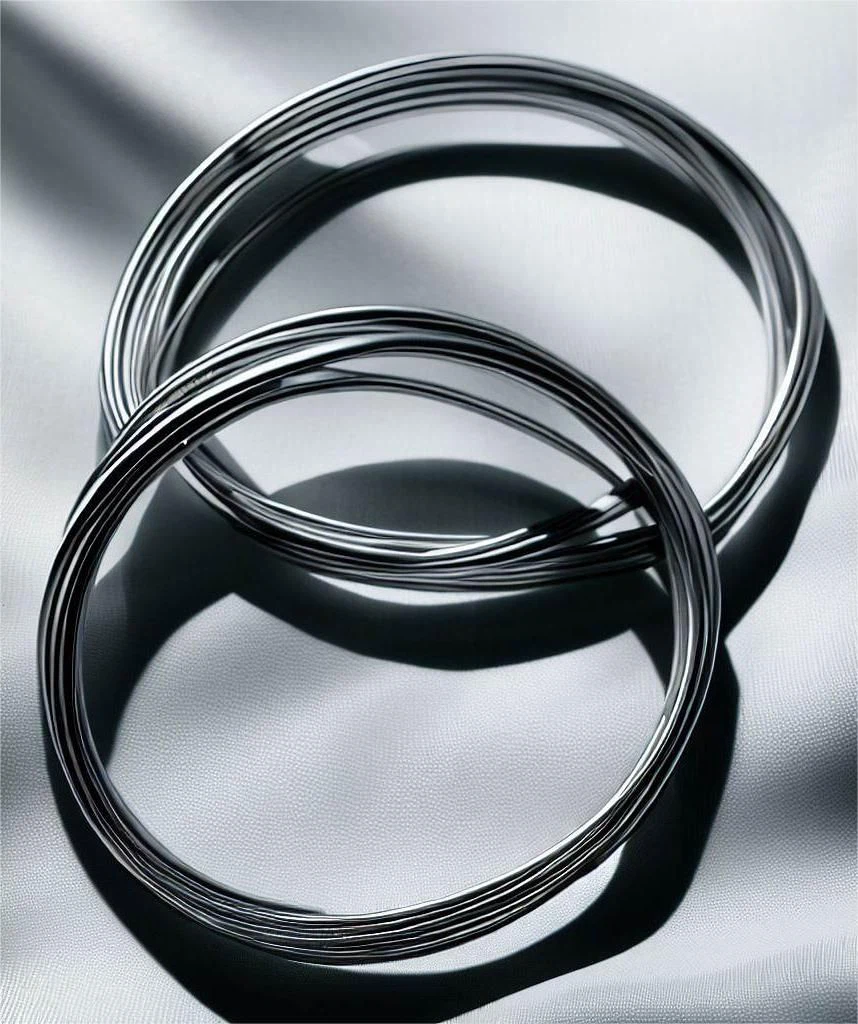

When you first look at a GR.23 Titanium Rod, it'll typically have that classic silver - gray color that's characteristic of titanium alloys. It's got this smooth, shiny surface that catches the light in a really cool way. The surface finish can vary depending on how it's been processed. For example, if it's been polished, it'll have a mirror - like shine, almost like a piece of high - end jewelry. On the other hand, if it's got a more matte finish, it'll still have that silver - gray hue, but it won't be as reflective.
Now, the color of the GR.23 Titanium Rod can change under different conditions. One factor is oxidation. When titanium is exposed to air, it forms a thin oxide layer on its surface. This oxide layer can affect the color. In normal, everyday conditions, the oxide layer is very thin and might not cause a noticeable color change. But if the rod is heated or exposed to certain chemicals, the oxide layer can thicken, and you might start to see some color variations.
For instance, when titanium is heated to relatively low temperatures (around 200 - 300 degrees Celsius), the oxide layer can start to show a light yellow or straw - like color. As the temperature goes up, the colors can change to shades of blue, purple, and even brown. These colors are due to the interference of light as it reflects off the different layers of the oxide and the underlying metal. It's kind of like the colors you see in a soap bubble, which are also caused by light interference.
Another thing that can affect the color is the presence of impurities or contaminants. If there are small amounts of other elements in the alloy or if the rod has been contaminated during the manufacturing process, it could potentially cause a slight color change. However, in high - quality GR.23 Titanium Rods, the manufacturing process is tightly controlled to minimize impurities, so any color changes due to this are usually very minor.
Let's talk a bit about the applications of GR.23 Titanium Rod and how the color plays a role. In the medical field, the color of the rod isn't really a critical factor. What matters most is its biocompatibility and strength. GR.23 Titanium Rods are used in things like orthopedic implants, dental implants, and surgical instruments. The silver - gray color is actually quite neutral and doesn't stand out too much, which is a plus when it comes to medical applications.
In the aerospace industry, the color can be more important in some cases. For example, if the rod is part of an external component of an aircraft, the color might need to match the overall aesthetic of the aircraft. Also, the surface finish and color can affect the aerodynamics to some extent. A smooth, polished surface with a consistent color can help reduce drag and improve the performance of the aircraft.
Now, if you're in the market for GR.23 Titanium Rods, you might also be interested in some related products. We also offer Ti - 6AI - 7Nb Medical Titanium Wire, which is another high - quality titanium product. It's commonly used in medical applications where a thinner, more flexible titanium component is needed.
We also have GR12 Titanium Wire Rod and GR1 Titanium Wire Rod. These are different grades of titanium wire rods, each with their own unique properties and applications. GR12 is known for its good corrosion resistance and weldability, while GR1 is a commercially pure titanium with high ductility.
So, if you're looking for top - quality GR.23 Titanium Rods or any of our other titanium products, we're here to help. Whether you're in the medical, aerospace, or any other industry that requires high - performance titanium materials, we can provide you with the right products. We've got a team of experts who can answer all your questions and help you find the best solution for your needs.
If you're interested in learning more or starting a purchase, don't hesitate to reach out. We're always happy to have a chat and discuss your requirements. We can provide you with samples, detailed product specifications, and competitive pricing. So, let's get the ball rolling and see how we can work together to meet your titanium needs.
In conclusion, the color of GR.23 Titanium Rod is typically a silver - gray, but it can change depending on oxidation, temperature, and other factors. Its color might not be the most critical aspect in some applications, but it still has its role to play. And if you're in the market for GR.23 Titanium Rods or related products, we're your go - to supplier.
References
- "Titanium and Titanium Alloys: Fundamentals and Applications" by John C. Williams
- "Medical Applications of Titanium and Its Alloys" by David M. Brunette et al.