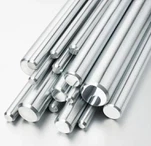
Pure titanium plate and composite titanium plate, as two important categories of titanium metal materials, have significant differences in composition, performance and application fields. This article will analyze the difference between the two titanium plates in detail, and explore their unique advantages and applicable scenarios.

Pure titanium plate, as the name implies, is a metal material composed of a single titanium element (not titanium dioxide, here is the original text misunderstanding correction), with extremely high purity, often called "glassy" metal, this name comes from its unique physical properties.
Pure titanium plate has excellent performance in heat corrosion resistance and stress corrosion cracking resistance, which makes it the preferred material for many high-end application fields. In the petrochemical industry, pure titanium plates are widely used in the manufacture of high-temperature and high-pressure containers, and their excellent corrosion resistance can ensure the stable operation of equipment in extreme environments. In addition, in marine environments, pure titanium plates are also widely used in equipment such as oil production platforms and drilling platform storage tanks as lining materials or anti-corrosion coatings to effectively resist seawater erosion and extend the service life of equipment.
Compared with pure titanium plate, composite titanium plate is a special stainless steel plate composed of two or more elements.
These elements may include metal elements such as aluminum, molybdenum, and niobium, which give composite titanium plate a unique alloy composition and physical and chemical properties. The alloying design of composite titanium plate is designed to meet some special application requirements, such as higher strength, better wear resistance or better corrosion resistance. For example, in some high-temperature and high-pressure industrial environments, composite titanium plate is favored for its excellent high-temperature resistance.

At the same time, the high strength characteristics of composite titanium plate also make it an ideal choice in occasions where high mechanical stress is required. It is worth noting that although composite titanium plate has certain advantages in performance, its manufacturing cost is usually higher than that of pure titanium plate. Therefore, when selecting titanium plate materials, in addition to considering its performance, it is also necessary to comprehensively evaluate cost-effectiveness and application requirements.
In general, pure titanium plate and composite titanium plate are different in composition, performance and application areas. Pure titanium plates are the preferred materials in the fields of petrochemicals and marine engineering due to their high purity and excellent corrosion resistance; while composite titanium plates meet some special application requirements with their unique alloy composition and physical and chemical properties. When selecting titanium plate materials, comprehensive consideration should be given to the specific use environment and requirements to ensure that the selected materials can meet actual needs and perform at their best.