The Role of Titanium in Aerospace
Why Titanium?
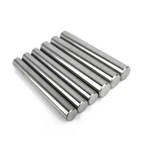
Titanium is the material of choice in the aerospace industry due to its excellent strength-to-weight ratio, corrosion resistance, and ability to withstand extreme temperatures. These properties make titanium an ideal choice for critical aircraft components where performance and safety are paramount. The aerospace industry requires materials that can withstand harsh environments, and titanium can effectively meet these requirements. However, traditional manufacturing methods for titanium parts are costly and time-consuming, which is where additive manufacturing comes in. By leveraging 3D printing, manufacturers can produce titanium parts more efficiently, reducing lead times and costs while maintaining the high standards required by the aviation industry.
Advantages of Titanium in Additive Manufacturing
Additive manufacturing can create complex geometries that are not typically possible with traditional machining. This capability is particularly beneficial for titanium alloy parts, producing lightweight structures that combine strength and durability. The ability to design complex shapes not only improves the performance of the part, but also improves the overall efficiency of the aircraft. Additionally, the layer-by-layer approach of additive manufacturing minimizes waste, making it a more sustainable choice. In an industry that is increasingly concerned about environmental impact and sustainability, reducing material waste is critical.
Airbus and Additive Manufacturing
Airbus's foray into additive manufacturing
Airbus began exploring additive manufacturing in 2007, focusing on metal components. By 2011, the company had begun using electron beam melting (EBM) to produce titanium components for satellites. This initial foray laid the foundation for wider applications in commercial aviation. This journey has been marked by continuous innovation and investment in research and development, allowing Airbus to maintain a leading position in a rapidly evolving industry. As the technology matured, Airbus recognized that additive manufacturing had the potential to revolutionize its production processes, significantly improving the efficiency of aircraft design and manufacturing.
Key developments in additive manufacturing at Airbus
In recent years, Airbus has made significant progress in integrating additive manufacturing into aircraft production. The company has successfully installed the first titanium 3D-printed bracket on the A350 XWB, marking a milestone in the use of additive manufacturing in series production. The bracket connects the aircraft's wing to the fuselage and demonstrates the potential for 3D-printed parts to replace traditional components, thereby reducing weight and improving performance. The successful implementation of this technology not only demonstrates Airbus' commitment to innovation, but also sets a precedent for future aircraft manufacturing, where 3D printing may become the norm rather than the exception.

The technology behind additive manufacturing
Technology used by Airbus
Airbus uses a variety of additive manufacturing technologies, including powder bed fusion and directed energy deposition. These methods allow precise control of the material properties and geometry of the parts produced. The choice of technology is often determined by the specific requirements of the part, such as its size, complexity and intended use. By leveraging these advanced technologies, Airbus can optimize the performance of its parts, ensuring they meet the stringent requirements of the aerospace industry. The flexibility provided by these technologies allows engineers to experiment with new designs and materials, pushing the limits of aircraft manufacturing.
Collaboration with industry leaders
To enhance its additive manufacturing capabilities, Airbus has partnered with industry leaders such as Norsk Titanium, which specializes in the production of aerospace-grade titanium alloy parts using its patented rapid plasma deposition technology. The partnership enables Airbus to leverage advanced manufacturing technologies to accelerate the integration of 3D printed parts into aircraft. Collaborations such as this are critical to driving innovation and ensuring Airbus remains competitive in a rapidly changing market. By working with experts in the field, Airbus has access to cutting-edge technology and insights that can enhance its manufacturing processes and product offerings.
Benefits of Additive Manufacturing for Airbus
Weight Reduction
One of the most significant advantages of using additive manufacturing technology to manufacture titanium alloy components is weight reduction. By optimizing the design and eliminating unnecessary materials, Airbus can produce lighter components, thereby improving overall fuel efficiency. This is particularly important in an industry where every kilogram counts. Lighter aircraft not only consume less fuel, but also have lower emissions, which is in line with global sustainability goals. The ability to produce lightweight components through additive manufacturing makes Airbus a leader in environmentally friendly aviation, appealing to consumers and regulators who are committed to reducing the industry's carbon footprint.
Cost Benefits
While the initial investment in additive manufacturing technology can be high, the cost savings in the long term are considerable. Reduced material waste, shorter production times, and the ability to produce complex parts without extensive tooling all contribute to lower overall costs. These savings are expected to increase as Airbus continues to improve its additive manufacturing processes. The economic benefits of additive manufacturing are not limited to production costs; it also includes faster time to market for new aircraft designs, allowing Airbus to respond more quickly to market demands and customer needs.
Enhanced Design Flexibility
Additive manufacturing technology can increase design flexibility, allowing engineers to create innovative solutions that were previously unattainable. This capability can promote creativity and encourage the development of new aircraft designs that better meet the needs of modern aviation. The freedom to experiment with different shapes and structures can lead to breakthroughs in aerodynamics and performance, ultimately improving the passenger experience. As Airbus embraces this design flexibility, it opens the door to a new era of aircraft that are not only more efficient, but also more adaptable to the changing needs of the aviation industry.

Challenges and Considerations
Material Limitations
Despite the many advantages of titanium additive manufacturing, it also presents many challenges. The material properties of titanium alloys vary depending on the manufacturing process, which can affect the performance of the final product. Ensuring the consistency and reliability of 3D printed titanium parts is a key consideration for Airbus. Rigorous testing and quality control measures are essential to ensure that each part meets the strict safety and performance standards required by the aviation industry. Addressing these material limitations is essential to building trust in additive manufacturing as a viable production method for critical aircraft components.
Regulatory Barriers
The aerospace industry is highly regulated, and the introduction of new manufacturing processes requires rigorous testing and certification. Airbus must navigate these regulatory challenges to ensure that its additive manufacturing processes meet the stringent safety and performance standards required for commercial aviation. This often involves extensive documentation, testing, and validation processes that can be time-consuming and costly. However, overcoming these obstacles is critical to successfully integrating additive manufacturing into mainstream aircraft production, paving the way for future innovation in the industry.
The Future of Additive Manufacturing at Airbus
Expanded Applications
As Airbus continues to explore the potential of additive manufacturing, the range of applications for titanium alloy components is expected to expand. Future aircraft designs may feature more 3D-printed parts, further improving performance and efficiency. Airbus' ongoing R&D work aims to identify new opportunities for additive manufacturing, including the production of larger components and the use of alternative materials. This expansion could lead to a paradigm shift in the way aircraft are designed and manufactured, with 3D printing becoming standard practice in the industry.
Sustainability Initiatives
Sustainability is a growing concern in the aerospace industry, and additive manufacturing aligns with Airbus' commitment to reducing its environmental impact. By minimizing material waste and enabling more efficient production processes, additive manufacturing can play a key role in achieving Airbus' sustainability goals. The ability to produce parts on demand also reduces the need for large inventories, further reducing the environmental impact of aircraft manufacturing. As the industry moves toward more sustainable practices, Airbus' focus on additive manufacturing positions it as a leader in the transition to greener aviation solutions.
Conclusion
Airbus is leading the way in the adoption of additive manufacturing in the aerospace industry, especially when it comes to titanium components. The benefits of weight reduction, cost efficiency, and design flexibility allow Airbus to improve aircraft performance while addressing the industry's sustainability challenges. As the technology continues to evolve, additive manufacturing has a bright future for Airbus, paving the way for innovative aircraft designs that meet the needs of the rapidly changing aviation industry. The integration of additive manufacturing not only represents technological advancement, but also signals a commitment to innovation and sustainability in the aerospace sector.
Related Questions and Answers
1. What is additive manufacturing?
Additive manufacturing, or 3D printing, is a process that creates objects by adding material layer by layer, allowing for complex designs and reducing waste.
2. Why is titanium used in aerospace?
Titanium is used in aerospace for its high strength-to-weight ratio, corrosion resistance, and ability to withstand extreme temperatures, making it an ideal material for manufacturing critical aircraft components.
3. How does additive manufacturing benefit Airbus?
Additive manufacturing technology benefits Airbus because it reduces weight, reduces production costs, and increases design flexibility in aircraft components.
4. What challenges does Airbus face with additive manufacturing?
Challenges for Airbus include material limitations, ensuring consistency in 3D printed parts, and overcoming regulatory barriers to certification.
5. What is the future of additive manufacturing in aerospace?
The future of additive manufacturing in aerospace includes expanding the use of 3D printed parts, increasing sustainability efforts, and continuing to innovate aircraft design.