Intramedullary Nailing: A Key Technique in Orthopedic Surgery
Intramedullary nailing (IM nailing) is a common orthopedic surgical technique used to treat fractures of long bones, such as the femur, tibia, and humerus. This method involves inserting a metal rod (nail) into the central cavity of the bone (medullary canal) to stabilize and support the fractured bone during the healing process. It has become a gold standard for treating many types of fractures due to its minimally invasive nature, biomechanical stability, and ability to promote early mobilization.
How Does Intramedullary Nailing Work?
The procedure involves the following steps:
Incision and Access: A small incision is made near the end of the fractured bone, usually at the hip, knee, or shoulder, to access the medullary canal.
Reaming the Bone: The medullary canal is prepared using specialized instruments to allow the insertion of the nail.
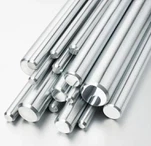
Insertion of the Nail: A metal rod (usually titanium or stainless steel) is inserted into the canal, aligned with the bone's natural shape.
Locking Screws: Screws are placed at the ends of the nail to secure it in place, preventing rotation or shortening of the bone.
Closure: The incision is closed, and the patient is monitored for recovery.
Types of Intramedullary Nails
Solid Nails: Strong, durable, and resistant to bending, commonly used in low-infection-risk cases.
Cannulated Nails: Hollow nails that allow the surgeon to insert a guidewire for easier placement.
Interlocking Nails: Nails with holes for screws, providing additional stability to resist rotation and shortening.
Elastic Nails: Flexible nails used in pediatric patients or for specific fracture patterns.
Applications of Intramedullary Nailing
Fractures of Long Bones:
Femur (thigh bone)
Tibia (shin bone)
Humerus (upper arm bone)
Complex Fractures:
Comminuted fractures (bone broken into multiple pieces)
Open fractures (bone exposed through the skin)
Nonunion or Delayed Union:
Cases where fractures fail to heal properly.
Pathological Fractures:
Fractures caused by bone weakness due to conditions like cancer or osteoporosis.
Advantages of Intramedullary Nailing
Minimally Invasive:
Requires smaller incisions compared to other fixation methods, reducing soft tissue damage.
Biomechanical Stability:
The nail is placed in the center of the bone, allowing for better load sharing and early weight-bearing.
Faster Recovery:
Promotes early mobilization and reduces the risk of complications like joint stiffness or muscle atrophy.
Versatility:
Can treat a wide range of fractures, including complex and comminuted fractures.
Durability:
Made from biocompatible materials like titanium, ensuring long-term strength and reducing the risk of rejection.
Challenges and Risks
Complications:
Infection at the surgical site.
Nail or screw breakage, especially in high-stress areas.
Improper alignment or healing (malunion).
Surgical Expertise:
Requires precise surgical technique to avoid complications such as damage to surrounding nerves or blood vessels.
Not Suitable for All Fractures:
Fractures near joints or with severe bone loss may require alternative fixation methods.
Recent Advances in Intramedullary Nailing
Biomechanical Improvements:
Modern nails are designed to mimic the natural movement of bones, improving healing outcomes.
Minimally Invasive Techniques:
New tools and techniques reduce surgical time and patient recovery.
Customizable Implants:
Nails are available in various shapes, sizes, and materials, tailored to patient anatomy and fracture type.
Augmented Fixation:
Use of bioactive coatings or bone grafts to enhance healing in challenging cases.
Conclusion
Intramedullary nailing is a cornerstone of modern orthopedic trauma care. It offers a reliable, minimally invasive solution for stabilizing fractures, helping patients return to their daily activities more quickly. With continuous advancements in implant design and surgical techniques, IM nailing remains at the forefront of fracture management, providing better outcomes for patients worldwide.
#Orthopedics #FractureCare #IntramedullaryNailing #BoneHealing #TraumaSurgery