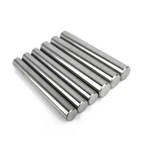
Importance of Titanium in Medical Applications
Titanium's Unique Properties
- Biocompatibility:
- Corrosion Resistance:
It withstands the harsh environment of the human body, ensuring the longevity and reliability of medical devices. This corrosion resistance is particularly important in environments where body fluids may cause other materials to degrade.
- Lightweight:
Titanium is significantly lighter than other metals, which is essential to reducing the overall weight of implants and devices. This lightweight property not only improves patient comfort, but also allows for more complex designs, resulting in improved functionality.
- Strength:
Titanium has a high tensile strength, which allows it to be used to create durable and strong medical devices. Titanium's strength ensures that the devices can withstand the mechanical stresses encountered during surgery and in everyday use.
These properties make titanium a material of choice for a variety of medical applications, including orthopedic implants, dental devices, and surgical instruments. Titanium's versatility allows it to be used in a variety of medical technologies, from simple tools to complex implantable devices.

Titanium in Medicine
Titanium is used in a wide range of medical applications, such as:
- Orthopedic implants:
Titanium is commonly used in hip and knee replacements, spinal fusion devices, and bone plates. Titanium's strength and biocompatibility ensure that these implants can withstand the stress of daily activities while promoting healing. Titanium's ability to bond with bone tissue, known as osseointegration, is an important factor in the success of orthopedic surgery.
- Dental implants:
Titanium dental implants provide a stable foundation for artificial teeth, effectively restoring dental function and aesthetics. The use of titanium in dental applications has revolutionized restorative dentistry, allowing patients to regain their smile and chewing ability with durable and long-lasting solutions.
- Surgical instruments:
Titanium is lightweight and corrosion-resistant, making it an ideal material for surgical instruments that improve surgical precision and safety. Titanium instruments are not only easy to handle, but also maintain their sharpness and integrity for a long time, helping to improve surgical outcomes.
The diverse applications of titanium in the medical field highlight its importance in improving patient care and advancing medical technology.
The Role of Titanium Suppliers
Ensuring Quality and Compliance
Titanium suppliers play a vital role in the medical supply chain by providing high-quality titanium products that meet strict regulatory standards. They ensure that their materials meet international standards such as ISO 13485, which specifies quality management systems for medical devices. This compliance is essential to maintaining the safety and effectiveness of medical products. Suppliers are often subject to rigorous audits and inspections to verify their adherence to these standards, ensuring that their products are safe for use in medical applications.
Innovation and Research
Titanium alloy suppliers are often at the forefront of innovation in the medical field. They invest in research and development to create new titanium alloys and manufacturing technologies to improve the performance of medical devices. For example, advances in additive manufacturing (3D printing) have enabled suppliers to produce complex titanium alloy structures that were previously impossible to manufacture, thereby improving patient outcomes. This innovation not only expands the possibilities of medical device design, but also allows for more personalized solutions based on the specific needs of patients.
Collaboration with Medical Professionals
Effective collaboration between titanium alloy suppliers and medical professionals is essential to the successful development of medical technology. Suppliers often work closely with surgeons and biomedical engineers to understand their needs and challenges. This collaboration helps design titanium products that are not only practical but also appropriate for specific surgical procedures. By working with healthcare providers, suppliers can gather valuable feedback to inform product development and ensure that the final product meets the real-world requirements of the medical community.
Supply Chain Management
Titanium suppliers are responsible for managing the supply chain to ensure timely delivery of materials to manufacturers. This includes sourcing raw titanium, processing it into a usable form, and distributing it to medical device manufacturers. Efficient supply chain management is critical, especially in the medical field where delays can impact patient care. Suppliers must maintain good relationships with their raw material sources and have contingency plans in place to deal with potential disruptions in the supply chain.

Challenges for Titanium Suppliers
Market Competition
The titanium supply market is highly competitive, with numerous suppliers vying for contracts from medical device manufacturers. This competition can drive down prices and impact supplier profitability. To remain competitive, suppliers must focus on quality, innovation, and customer service. Building a strong reputation for reliability and excellence can help suppliers stand out in a crowded market.
Regulatory Hurdles
Material Sourcing
The supply of high-quality titanium can be a challenge, as it primarily comes from a limited number of suppliers around the world. Fluctuations in the global titanium market can affect price and supply, which in turn affects the entire medical supply chain. Suppliers must proactively manage relationships with raw material suppliers and may need to explore alternative sourcing options to mitigate risks associated with supply disruptions.
Future Trends in Titanium Supply for Medical Technology
Increasing Demand for Customization
As personalized medicine becomes more prevalent, there is a growing demand for customized titanium implants and devices. Suppliers will need to adapt their manufacturing processes to accommodate this trend, offering customized solutions that meet the specific needs of individual patients. This shift toward customization may involve the use of advanced manufacturing technologies, such as 3D printing, which allows for the creation of unique designs that conform to each patient's anatomical requirements.
Advances in Additive Manufacturing
The rise of additive manufacturing is set to revolutionize the way titanium medical devices are produced. Suppliers that invest in 3D printing technology will be able to manufacture complex geometries and lightweight structures that improve the performance of implants and devices. Not only will this technology increase design flexibility, it will also reduce material waste, contributing to more sustainable manufacturing practices.
Sustainability Initiatives
As awareness of environmental issues grows, titanium suppliers will likely focus on sustainable practices. This includes sourcing titanium from responsible suppliers, reducing waste in the manufacturing process, and developing recyclable titanium products. By prioritizing sustainability, suppliers can not only meet the growing demand for eco-friendly products, but also enhance their brand reputation and attract environmentally conscious consumers.
Conclusion
Titanium suppliers play a vital role in advancing medical technology by providing high-quality materials that improve the performance and safety of medical devices. Their contributions to innovation, compliance, and supply chain management are essential to the continued development of effective medical solutions. As the medical field evolves, titanium suppliers need to adapt to new challenges and opportunities to ensure they remain at the forefront of this critical industry. Continued collaboration between suppliers and healthcare professionals will be key to driving future medical technology advancements.

FAQ
What are the main benefits of titanium in medical applications?
Titanium has a variety of benefits, including biocompatibility, corrosion resistance, light weight, and high strength, making it ideal for implants and surgical instruments.
How do titanium suppliers ensure the quality of their products?
Titanium suppliers ensure quality by adhering to international standards such as ISO 13485, conducting rigorous testing, and maintaining strict quality control processes.
What role does innovation play in the titanium supply industry?
How do titanium suppliers work with medical professionals?
Titanium suppliers work with medical professionals by understanding their needs and challenges, which helps design products that are suitable for specific surgical procedures.
What trends are expected in the future supply of titanium in the medical technology field?
Future trends include an increase in the demand for customization, advances in additive manufacturing, and a focus on sustainable development initiatives within the titanium supply chain.