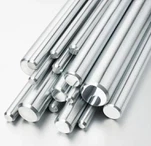
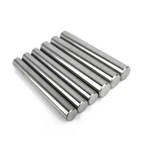
Common Sizes of Titanium Threaded Bars
Titanium threaded bars come in various sizes, typically categorized by their diameter and length. The most common sizes include:
Metric Sizes
- M4: 4 mm diameter - M6: 6 mm diameter - M8: 8 mm diameter
- M10: 10 mm diameter - M12: 12 mm diameter - M14: 14 mm diameter
- M16: 16 mm diameter - M20: 20 mm diameter - M24: 24 mm diameter
- M30: 30 mm diameter
These metric sizes are widely used in Europe and Asia, where the ISO metric system is the standard. The availability of these sizes allows for compatibility with various components and systems designed to metric specifications.
Imperial Sizes
- 1/4 inch: Approximately 6.35 mm - 3/8 inch: Approximately 9.53 mm
- 1/2 inch: Approximately 12.7 mm - 5/8 inch: Approximately 15.88 mm
- 3/4 inch: Approximately 19.05 mm
Imperial sizes are commonly used in the United States and other countries that follow the imperial measurement system. The choice between metric and imperial sizes often depends on the regional standards and the specific requirements of the project.
Lengths
Titanium threaded bars are available in various lengths, typically ranging from 50 mm to 3000 mm (approximately 2 inches to 118 inches). Custom lengths can also be manufactured based on specific requirements. This flexibility in length allows engineers to select the appropriate size for their applications, ensuring a perfect fit and optimal performance.

Specifications of Titanium Threaded Bars
The specifications of titanium threaded bars are crucial for ensuring they meet the demands of their intended applications. Key specifications include:
Thread Types
- Metric Threads: Commonly used in Europe and Asia, these follow the ISO metric thread standards. Metric threads are characterized by their pitch and diameter, which are standardized to ensure compatibility with other components.
- Unified National Threads (UNC/UNF): Standard in the United States, these threads are used in various applications. UNC (Unified National Coarse) and UNF (Unified National Fine) threads differ in their pitch, with coarse threads providing better grip in softer materials and fine threads offering greater tensile strength.
Grades of Titanium
Titanium threaded bars are available in different grades, each with specific properties:
- Grade 2: The most commonly used titanium grade, known for its excellent corrosion resistance and weldability. Grade 2 titanium is often used in applications where moderate strength and good ductility are required.
- Grade 5 (Ti-6Al-4V): An alloy of titanium with aluminum and vanadium, offering higher strength and heat resistance. This grade is widely used in aerospace and medical applications due to its superior mechanical properties.
- Grade 7: Known for its superior corrosion resistance, particularly in acidic environments. Grade 7 titanium is often used in chemical processing and marine applications where exposure to harsh chemicals is a concern.
Mechanical Properties
The mechanical properties of titanium threaded bars vary by grade but generally include:
- Tensile Strength: Ranges from 300 MPa (Grade 2) to over 900 MPa (Grade 5). This high tensile strength allows titanium threaded bars to withstand significant loads without deformation.
- Yield Strength: Typically around 240 MPa for Grade 2 and up to 800 MPa for Grade 5. Yield strength is a critical factor in determining how much load a threaded bar can handle before it begins to deform permanently.
- Elongation: Varies from 10% to 20%, indicating the material's ductility. A higher elongation percentage means the material can stretch more before breaking, which is essential in applications where flexibility is required.
Conclusion
Titanium threaded bars are invaluable components in various industries due to their unique properties and versatility. Understanding the common sizes and specifications is essential for selecting the right threaded bars for specific applications. With their high strength, low weight, and excellent corrosion resistance, titanium threaded bars continue to be a preferred choice for demanding environments. As industries evolve and new applications emerge, the demand for titanium threaded bars is likely to grow, further solidifying their role in modern engineering.