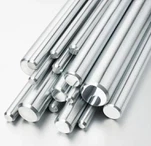
1. Excellent strength-to-weight ratio
One of the most notable advantages of titanium threaded rod is its excellent strength-to-weight ratio. Titanium is as strong as steel but much lighter, making it easier to handle and install. This property is particularly beneficial in the construction industry, as reducing the weight of the material can reduce transportation costs and simplify on-site assembly. Titanium's light weight allows for more efficient use of resources, as less energy is required for transportation and installation, ultimately contributing to a more sustainable construction process.
Advantages of Lightweight Construction
- Reduced Structural Loads: Lighter materials can reduce the overall load on the structure, allowing for more innovative designs and reducing the need for large foundations. This can result in significant savings in material and labor costs.
- Easier to Operate: Workers can more easily operate titanium threaded rods, which can reduce installation time and reduce labor costs. Easy operation also minimizes the risk of injuries on site, creating a safer working environment.
2. Corrosion Resistance
Titanium is highly resistant to corrosion, even in harsh environments. This property is critical for building materials exposed to moisture, chemicals, and extreme weather conditions. Unlike steel, which rusts and degrades over time, titanium maintains its integrity, ensuring long-lasting performance. The corrosion resistance of titanium threaded rod not only extends the life of the structure, but also reduces the need for protective coatings and treatments, further enhancing its cost-effectiveness.
Applications in Corrosive Environments
- Marine Construction: Titanium threaded rods are ideal for marine applications, as traditional materials corrode quickly when exposed to seawater. Their use in marine environments ensures that structures such as piers, piers and offshore platforms remain safe and functional for a long time.
- Chemical Plants: In environments where chemicals are present, titanium's corrosion resistance ensures the longevity of structural components. This is particularly important in industries such as petrochemicals, where equipment is often exposed to corrosive substances.
3. Durability and Lifespan
The durability of titanium threaded rod helps to extend the overall life of a construction project. Its resistance to wear means that structures can remain intact for decades without requiring extensive maintenance or replacement. This durability is a key factor in the life cycle assessment of construction materials, as it directly affects the total cost of ownership and environmental footprint of a project.
Long-term cost-effectiveness
While the initial cost of titanium may be higher than traditional materials, its durability reduces maintenance costs and extends service life, making titanium an affordable option in the long run. Reducing the frequency of repairs and replacements not only saves money but also minimizes operational disruptions, making titanium an ideal choice for new construction and renovation projects.
4. Thermal stability
Titanium has excellent thermal stability and a low coefficient of thermal expansion. This means that titanium threaded rods do not expand or contract significantly with temperature changes, reducing the risk of structural failure due to thermal stress. This property is particularly important in areas with extreme temperature fluctuations, as the material is subject to great stress during thermal cycles.
Importance in construction
- Temperature fluctuations: In areas with drastic temperature changes, titanium's stability helps maintain structural integrity. This is critical for applications such as bridges and high-rise buildings, where temperature-induced expansion and contraction can cause structural problems.
- Compatibility with other materials: Titanium's thermal properties make it compatible with other building materials, reducing the risk of joint failure. This compatibility allows for more innovative designs that incorporate a variety of materials while maintaining structural integrity.
5. Versatility in design
Titanium threaded rods can be made in a variety of shapes and sizes, making them flexible and versatile in design. This adaptability makes them suitable for a wide range of applications, from simple anchoring systems to complex structural components. The ability to customize titanium threaded rods to meet specific design requirements allows architects and engineers to push the boundaries of traditional construction methods.
Innovative building solutions
- Custom manufacturing: Architects and engineers can design unique structures using the properties of titanium, resulting in innovative and aesthetically pleasing designs. Design flexibility allows for creative solutions that enhance the visual appeal of a building while maintaining structural integrity.
- Fusion with modern technology: Titanium's compatibility with modern building technologies such as 3D printing opens up new avenues for design and manufacturing. This fusion allows for the production of complex geometries that were previously difficult or impossible to achieve with traditional materials.
6. Fatigue resistance
Titanium has excellent fatigue resistance, meaning it can withstand repeated loading and unloading without failure. This property is critical in the construction industry, where materials are often subjected to dynamic loads. The fatigue resistance of titanium threaded rods ensures that structures remain safe and functional for a long time, even under challenging conditions.
Enhanced Structural Safety
- Long-term Performance: Structures built with titanium rebar are less likely to experience fatigue-related failures, improving overall safety. This reliability is particularly important for safety-critical critical infrastructure such as bridges and high-rise buildings.
- Reduced Risk of Structural Collapse: Titanium's ability to withstand cyclical loads makes it ideal for critical structural applications. This property not only improves safety, but also increases confidence in the longevity and reliability of the structure.
Conclusion
The advantages of using titanium rebar in construction are clear. Its excellent strength-to-weight ratio, corrosion resistance, durability, thermal stability, biocompatibility, versatility, and fatigue resistance make it an excellent choice for modern construction projects. As the industry continues to evolve, the adoption of titanium rebar is likely to increase, paving the way for more innovative and sustainable construction practices. The shift toward high-performance materials such as titanium reflects a broader trend in the construction industry toward sustainability, efficiency, and resilience.
Frequently Asked Questions
1. What are the main benefits of using titanium threaded rod in construction?
Titanium threaded rods have a high strength-to-weight ratio, excellent corrosion resistance, durability, thermal stability, and design versatility, making them ideal for a variety of construction applications.
2. How do titanium threaded rods compare to steel?
Titanium is lighter and more corrosion-resistant than steel, making it a better choice for applications in harsh environments. While the initial cost of titanium may be higher, its long service life and low maintenance requirements make it more cost-effective in the long run.
3. Are titanium threaded rods suitable for marine applications?
Yes, titanium threaded rods are ideal for marine applications as they have excellent resistance to saltwater corrosion, ensuring long-lasting performance in harsh environments.
4. Can titanium threaded rods be used in extreme temperature conditions?
Yes, titanium has excellent thermal stability and a low coefficient of thermal expansion, making it suitable for use in environments with extreme temperature fluctuations.
5. What are the environmental impacts of using titanium in construction?
Titanium is biocompatible and does not leach harmful substances, making it a sustainable choice for construction projects. Its durability also reduces the need for frequent replacement, further minimizing environmental impact.