

What is a titanium coated pan?
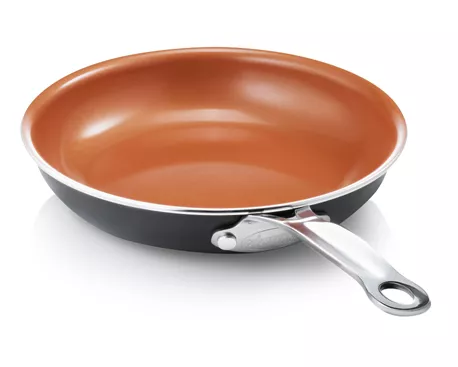
A titanium coated pan is a type of cookware that has a layer of titanium on the surface. This coating is designed to increase the pan's durability, non-stick properties, and resistance to scratches and abrasions. Unlike traditional non-stick coatings that degrade over time, titanium coatings are known for their strength and longevity. The application of titanium can vary, with some pans having a pure titanium layer while others have titanium-infused ceramic or other composite materials. This versatility allows manufacturers to create a range of products that cater to different cooking styles and preferences.
Composition of Titanium Coatings
Titanium is a metal known for its strength and corrosion resistance. In cookware, titanium is often combined with other materials to create a non-stick surface. This combination results in an efficient and safe cooking experience. Many manufacturers claim that their titanium coatings are free of harmful chemicals such as PFOA and PTFE, making it a healthier cooking option. The titanium application process may involve advanced technologies such as plasma coating or anodizing, which enhance the bond between the titanium and the substrate, ensuring a strong and durable surface.
Benefits of Using Titanium Coated Pans
Durability and Lifespan
One of the most notable advantages of titanium coated pans is their durability. Titanium coating is much harder than traditional nonstick coatings, which means it is less likely to show scratches or wear over time. This durability means the cookware will last longer, making it an affordable option in the long run. Many users report that their titanium pans are still in great shape even after years of use, which is a testament to the resilience of this material. In addition, titanium pans are able to withstand high temperatures without deforming or degrading, which further enhances their appeal to professional chefs.
Nonstick Properties
Titanium-coated pans have excellent nonstick properties, and food slides off easily without the need for excessive amounts of oil or butter. This feature not only makes cooking more enjoyable, but also simplifies the cleaning process. Many users find that a simple wipe or rinse is all that is needed to clean a titanium pan. The nonstick surface also encourages healthier cooking habits, as it reduces the need for added fats, making it easier to prepare low-calorie foods. In addition, the nonstick properties of titanium coatings are generally more stable than those of traditional nonstick surfaces, which break down over time.
Healthier Cooking
Many titanium-coated pans are advertised as being free of harmful chemicals. This is an important selling point for health-conscious consumers. Being PFOA and PTFE-free means there is less risk of harmful substances leaching into food during cooking. This, on the one hand, makes titanium-coated pans a safer choice for health-conscious families and individuals. Additionally, titanium's inertness means it does not react with acidic or alkaline foods, preserving the flavor and nutritional value of ingredients.
Even Heat Distribution
Titanium is known for its excellent thermal conductivity. This means titanium-coated pans heat up quickly and distribute heat evenly across the cooking surface. This feature helps prevent hot spots, uneven cooking, and burnt food. As a result, users can achieve better cooking results with less effort. Maintaining consistent temperatures also enables more precise cooking techniques, such as searing and frying, where even heat distribution is essential to achieve the desired results.
Disadvantages of Titanium-Coated Pans
High Price
While titanium-coated pans offer many benefits, they are generally more expensive than traditional nonstick pans. This cost can be a barrier for some consumers, especially those on a tight budget. However, given their durability and longevity, many find the investment worth it. The initial expense can be offset by the extended life and performance, making it a smart choice for frequent cooks. Additionally, some brands offer affordable options that still provide the benefits of a titanium coating without breaking the bank.
Limited Supply
Not all cookware brands offer titanium coating options. This limited supply makes it difficult for consumers to find the right pans for their needs. Additionally, some brands may not provide clear information about the quality of their titanium coating, leading to confusion when purchasing. Consumers must do their research and read reviews to ensure they are choosing a reputable brand that takes responsibility for their products. As titanium cookware becomes more popular, more manufacturers are likely to enter the market, providing consumers with a wider range of options.
Care and Maintenance
While titanium-coated pans are generally easy to clean, they still require careful care to maintain their nonstick properties. Users should avoid using metal utensils, as these can scratch the coating. Instead, it is recommended to opt for silicone or wooden utensils. Additionally, while many titanium pans are dishwasher safe, hand washing is generally recommended to extend their lifespan. Proper care also includes avoiding the use of high heat settings, which can damage the coating over time. By following these guidelines, users can ensure their titanium pans stay in great condition for years to come.
How to Choose the Right Titanium Coated Pan
When choosing a titanium coated pan, there are several factors to consider to ensure you make the best choice for your cooking needs.
Brand Reputation
Researching brand reputation is essential. Look for manufacturers that are known for quality cookware and positive customer reviews. Brands that specialize in nonstick cookware often have more experience and expertise in manufacturing durable titanium coatings. Checking certifications and endorsements from cooking professionals can also provide insight into the brand's reliability and product quality.
Coating Thickness
The thickness of the titanium coating can affect the performance and durability of the pan. Thicker coatings tend to be more durable and scratch-resistant. Check the product specifications to find a pan with a strong titanium layer. Some brands may offer multiple layers of coating to enhance the nonstick properties and overall performance of the pan, providing greater value for your investment.
Size and Shape
Consider the size and shape of the pan based on your cooking habits. Whether you need a frying pan, a sauté pan, or a larger skillet, make sure the size fits your cooking style and kitchen space. Also, consider the types of dishes you frequently prepare, as certain shapes may be better suited to specific cooking techniques, such as sautéing or frying.
Warranty and Return Policy
A good warranty and return policy can give you peace of mind when buying cookware. Look for brands that offer a warranty on their titanium-coated pans, as this shows confidence in the quality of the product. A good return policy will also allow you to test the pan to ensure it lives up to your expectations without the risk of the product not performing as promised.
Cooking with Titanium-Coated Pans
Using titanium-coated pans is similar to using other nonstick pans, but there are a few tips that can enhance your cooking experience.
Preheating the Pan
Preheating your titanium pan before adding food can improve cooking results. This practice helps create a nonstick surface and ensures even cooking. However, avoid overheating the pan, as overheating can damage the coating. A good rule of thumb is to preheat the pan over medium heat for a few minutes before adding oil or food for optimal cooking conditions.
Use the Right Utensils
To maintain the integrity of the titanium coating, use utensils made of silicone, wood, or plastic. Metal utensils can scratch the surface and degrade the nonstick properties of the pan over time. Investing in a set of high-quality utensils designed for nonstick pans can help protect your titanium pan and enhance your overall cooking experience.
Cooking Temperatures
Titanium-coated pans can withstand high temperatures, but extreme heat must be avoided. For most recipes, medium to medium-high heat is usually sufficient, which allows for even cooking without damaging the coating. Monitoring the cooking temperature can also prevent food from sticking and ensure that dishes come out perfectly cooked every time.
Conclusion
In summary, titanium-coated pans offer a range of benefits, including durability, non-stick properties, and healthier cooking options. While they may cost more, their longevity and performance can make them a worthwhile investment for many home cooks. By considering factors such as brand reputation, coating thickness, and proper care, you can choose the right titanium-coated pan to enhance your cooking experience. Ultimately, the decision to invest in a titanium-coated pan will depend on your cooking habits, budget, and personal preferences, but for many people, the benefits far outweigh the cost.
FAQs
1. Are titanium-coated pans safe to use?
Yes, titanium-coated pans are generally considered safe, especially those that are free of harmful chemicals such as PFOA and PTFE. Their inert nature means they will not react with food, making them a healthy cooking choice.
2. How do I clean a titanium-coated pan?
Most titanium pans can be cleaned with a simple wipe or rinse. For more stubborn stains, use a soft sponge and a mild detergent. Avoid abrasive cleaners that can scratch the surface.
3. Can I use metal utensils on titanium coated pans?
Silicone or wooden utensils are recommended to avoid scratching the coating. Metal utensils can damage the nonstick surface and reduce the effectiveness of the pan over time.
4. Do titanium coated pans require special care?
While they are durable, it is best to avoid extreme heat and metal utensils to maintain their nonstick properties. Hand washing is usually recommended to extend their lifespan.
5. What is the lifespan of a titanium coated pan?
With proper care, titanium coated pans can last for many years and are generally more durable than traditional nonstick pans. Their durability makes them a smart investment for those who cook frequently.


