

How does the electrical conductivity of titanium wire impact aerospace applications?
As a dedicated supplier of titanium wire for aerospace, I've witnessed firsthand how the electrical conductivity of titanium wire plays a pivotal role in various aerospace applications. In this blog, I'll delve into the significance of this property and its far - reaching impacts on the aerospace industry.
Understanding Electrical Conductivity in Titanium Wire
Electrical conductivity is a measure of a material's ability to conduct an electric current. In the case of titanium wire, its conductivity is influenced by several factors, including its purity, alloy composition, and the presence of any impurities or defects. Titanium is generally considered a moderately conductive metal compared to highly conductive materials like copper and silver. However, its unique combination of properties makes it an ideal choice for many aerospace applications.
Titanium comes in different grades, each with its own distinct electrical conductivity characteristics. For instance, GR5 Titanium Wire Rod, also known as Ti - 6Al - 4V, is one of the most widely used titanium alloys in aerospace. It offers a good balance of strength, corrosion resistance, and electrical conductivity. The alloying elements aluminum and vanadium enhance its mechanical properties while slightly affecting its conductivity compared to pure titanium.
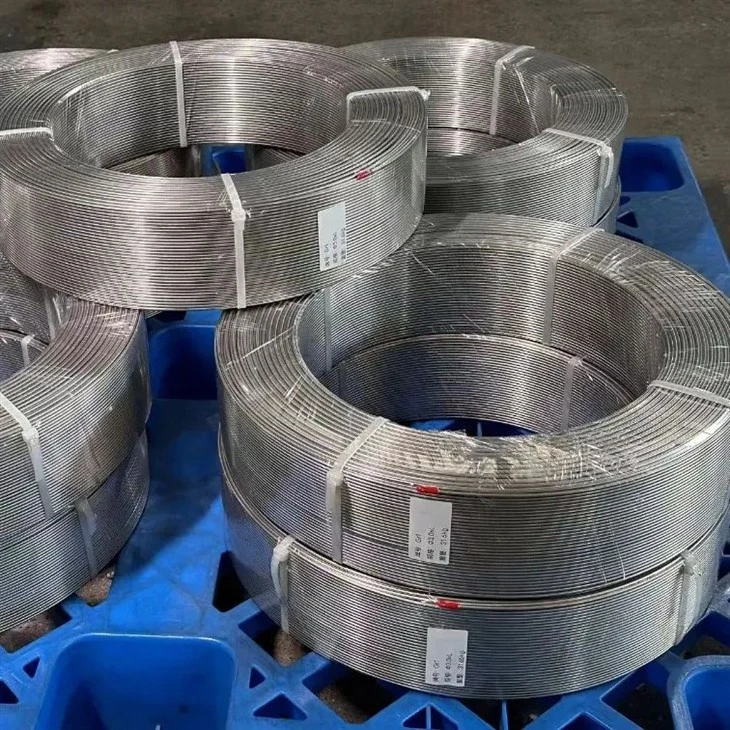
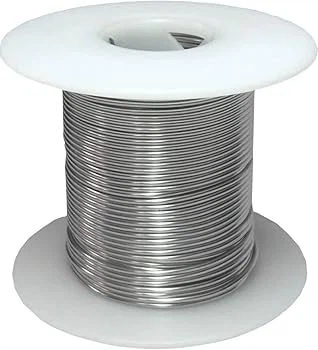
Gr23 Titanium wire, which is an extra - low - interstitial version of Ti - 6Al - 4V, is known for its high ductility and biocompatibility. In aerospace, its electrical conductivity is important for applications where both electrical and mechanical performance are required.
On the other hand, GR12 Titanium Wire Rod, composed of titanium, molybdenum, and nickel, has different electrical conductivity properties. The addition of these elements can modify its conductivity to suit specific aerospace needs.
Impact on Electrical Systems in Aerospace
In modern aircraft and spacecraft, electrical systems are becoming increasingly complex and critical. Titanium wire's electrical conductivity is crucial for the proper functioning of these systems.
Power Distribution
Titanium wire is used in power distribution networks within aerospace vehicles. It helps to transmit electrical power from the power sources, such as generators or batteries, to various components throughout the vehicle. The wire's conductivity ensures that there is minimal power loss during transmission. This is essential for maintaining the efficiency of the electrical system and reducing the overall energy consumption of the vehicle. For example, in an aircraft, power needs to be distributed to avionics, lighting systems, and actuators. A wire with good electrical conductivity can ensure that these components receive the required power without significant voltage drops.
Signal Transmission
In addition to power distribution, titanium wire is also used for signal transmission in aerospace. Signals from sensors, communication devices, and control systems need to be accurately transmitted to their destinations. The electrical conductivity of the wire affects the quality of the signal transmission. A wire with high conductivity can minimize signal attenuation, ensuring that the signals remain strong and clear. This is particularly important in communication systems where accurate data transfer is essential for safe and efficient flight operations.
Impact on Structural and Functional Components
The electrical conductivity of titanium wire also has implications for structural and functional components in aerospace.
Lightning Protection
Aircraft are at risk of being struck by lightning during flight. Titanium wire's electrical conductivity plays a vital role in lightning protection systems. When a lightning strike occurs, the wire provides a low - resistance path for the electrical current to flow through the aircraft's structure. This helps to dissipate the lightning energy safely and prevent damage to critical components. The wire's ability to conduct electricity quickly and efficiently can reduce the risk of electrical arcing and fire within the aircraft.
Electrostatic Discharge (ESD) Protection
In aerospace, electrostatic discharge can pose a significant threat to sensitive electronic components. Titanium wire can be used to create grounding systems that prevent the buildup of static electricity. Its conductivity allows the static charge to be safely discharged, protecting the electronic equipment from damage. For example, in satellite systems, where electronic components are highly sensitive to ESD, the use of titanium wire for grounding is essential to ensure the reliability of the system.
Impact on Manufacturing and Assembly
The electrical conductivity of titanium wire also affects the manufacturing and assembly processes in aerospace.
Welding and Joining
During the manufacturing of aerospace components, welding and joining of titanium wire are common processes. The electrical conductivity of the wire influences the welding process. A wire with appropriate conductivity can ensure a stable and efficient welding arc, resulting in high - quality welds. This is important for maintaining the structural integrity of the components. Additionally, the conductivity of the wire can also affect the heat distribution during the welding process, which in turn affects the mechanical properties of the welded joint.
Testing and Quality Control
Electrical conductivity is an important parameter in the testing and quality control of titanium wire. Manufacturers use conductivity measurements to ensure that the wire meets the required specifications. By measuring the conductivity, they can detect any variations in the wire's composition or the presence of impurities. This helps to ensure the consistency and reliability of the wire, which is crucial for aerospace applications where safety and performance are of utmost importance.
Conclusion
In conclusion, the electrical conductivity of titanium wire has a profound impact on aerospace applications. From power distribution and signal transmission to lightning protection and manufacturing processes, the wire's conductivity is essential for the safe, efficient, and reliable operation of aerospace vehicles. As a supplier of titanium wire for aerospace, we understand the importance of providing high - quality wire with the right electrical conductivity properties.
If you are in the aerospace industry and are looking for reliable titanium wire solutions, we are here to help. Our team of experts can provide you with detailed information about our products and assist you in selecting the most suitable titanium wire for your specific applications. Contact us to start a procurement discussion and find out how our titanium wire can meet your aerospace needs.
References
- "Titanium Alloys for Aerospace Applications" - A comprehensive study on the use of titanium alloys in aerospace.
- "Electrical Conductivity of Metals and Alloys" - A scientific publication on the electrical properties of different metals and alloys.
- "Aerospace Electrical Systems: Design and Analysis" - A book that covers the design and analysis of electrical systems in aerospace vehicles.


