

What is the wear resistance of GR.5 Titanium Wire Rod?
As a supplier of GR.5 Titanium Wire Rod, I've had the privilege of witnessing firsthand the remarkable properties of this material and its widespread applications. Wear resistance is a crucial characteristic, especially in industries where materials are subject to friction, abrasion, and mechanical stress. In this blog, I'll delve into the wear resistance of GR.5 Titanium Wire Rod, exploring its underlying mechanisms, influencing factors, and real - world implications.
Understanding GR.5 Titanium Wire Rod
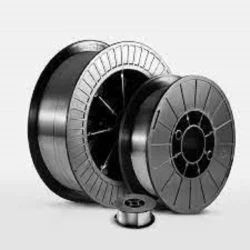
GR.5 Titanium, also known as Ti - 6Al - 4V, is an alpha - beta titanium alloy. It is composed of 6% aluminum, 4% vanadium, and the rest is titanium. This alloy is renowned for its high strength - to - weight ratio, excellent corrosion resistance, and good weldability. GR.5 Titanium Wire Rod is produced by carefully processing the alloy into a rod - shaped form, which can then be further fabricated into various components for different industries such as aerospace, medical, and automotive.
Wear Resistance Mechanisms
The wear resistance of GR.5 Titanium Wire Rod stems from several key factors. Firstly, its high strength plays a vital role. The alloy's inherent strength allows it to withstand the forces exerted during wear processes without significant deformation. When two surfaces come into contact and slide against each other, the strong atomic bonds in GR.5 Titanium resist the shearing forces that would otherwise cause material removal.
Secondly, the formation of a stable oxide layer on the surface of the titanium wire rod contributes to its wear resistance. Titanium has a strong affinity for oxygen, and when exposed to air, a thin, dense, and adherent oxide layer forms spontaneously. This oxide layer acts as a protective barrier, reducing direct contact between the metal surface and the abrasive particles or the mating surface. It also has good chemical stability, which can prevent corrosion - assisted wear.
Another important aspect is the alloy's microstructure. The alpha - beta phase structure of GR.5 Titanium provides a balanced combination of hardness and toughness. The alpha phase is relatively hard and provides resistance to abrasion, while the beta phase imparts some ductility, allowing the material to absorb energy during wear without cracking.
Influencing Factors on Wear Resistance
-
Surface Finish: The surface finish of GR.5 Titanium Wire Rod has a significant impact on its wear resistance. A smoother surface finish reduces the contact area between the wire rod and the mating surface, thereby minimizing frictional forces and wear. During the manufacturing process, techniques such as polishing and grinding can be employed to achieve a high - quality surface finish.
-
Load and Sliding Speed: The wear rate of GR.5 Titanium Wire Rod is highly dependent on the applied load and sliding speed. Higher loads and sliding speeds generally lead to increased wear. As the load increases, the contact pressure between the surfaces rises, which can cause more severe deformation and material removal. Similarly, a higher sliding speed generates more heat due to friction, which can affect the properties of the surface oxide layer and potentially increase wear.
-
Environmental Conditions: The environment in which the GR.5 Titanium Wire Rod operates also affects its wear resistance. In a corrosive environment, the protective oxide layer may be damaged, leading to accelerated wear. For example, in a salt - water environment, chloride ions can penetrate the oxide layer and cause pitting corrosion, which can then act as initiation sites for wear. On the other hand, in a lubricated environment, the presence of a lubricant can reduce friction and wear by separating the two surfaces and providing a protective film.
-
Counter - surface Material: The material of the surface against which the GR.5 Titanium Wire Rod slides is another crucial factor. Different materials have different hardness, roughness, and chemical properties, which can interact with the titanium wire rod in various ways. For instance, a harder counter - surface may cause more abrasion on the titanium wire rod, while a softer counter - surface may transfer material onto the titanium surface, altering its wear behavior.

Real - World Applications and Wear Resistance Requirements
- Aerospace Industry: In the aerospace industry, GR.5 Titanium Wire Rod is widely used in critical components such as landing gear, engine parts, and fasteners. These components are subject to high loads, vibrations, and wear during flight operations. The excellent wear resistance of GR.5 Titanium ensures the long - term reliability and safety of these components. For more information about Titanium Wire for Aerospace, you can visit our website.
- Medical Industry: In medical applications, GR.5 Titanium Wire Rod is used for orthopedic implants, dental implants, and surgical instruments. These applications require high wear resistance to ensure the longevity of the implants and the proper functioning of the instruments. The biocompatibility of GR.5 Titanium, combined with its wear resistance, makes it an ideal material for medical use.
- Automotive Industry: In the automotive industry, GR.5 Titanium Wire Rod can be used in high - performance engine components, suspension systems, and exhaust systems. The wear resistance of the wire rod helps to improve the durability and performance of these components, especially in high - stress and high - temperature environments.
Comparison with Other Materials
When compared to other common materials, GR.5 Titanium Wire Rod offers distinct advantages in terms of wear resistance. For example, compared to steel, titanium has a lower density, which can reduce the overall weight of the component. Additionally, its excellent corrosion resistance makes it more suitable for use in harsh environments where steel may rust and suffer from corrosion - assisted wear.
Compared to aluminum alloys, GR.5 Titanium has higher strength and better wear resistance. Aluminum alloys are relatively soft and may wear out quickly under high - load and high - friction conditions. In contrast, the high - strength and stable oxide layer of GR.5 Titanium provide superior protection against wear.
Improving the Wear Resistance of GR.5 Titanium Wire Rod
There are several ways to further enhance the wear resistance of GR.5 Titanium Wire Rod. One approach is through surface treatment. Processes such as nitriding, carburizing, and coating can be used to modify the surface properties of the wire rod. Nitriding, for example, can form a hard nitride layer on the surface, which significantly improves the wear resistance.
Another method is alloying optimization. By carefully adjusting the composition of the alloy, it may be possible to further enhance its wear - resistant properties. For instance, adding small amounts of certain elements can refine the microstructure and improve the hardness and toughness of the alloy.
Conclusion
The wear resistance of GR.5 Titanium Wire Rod is a result of its unique combination of high strength, stable oxide layer, and favorable microstructure. It is influenced by various factors such as surface finish, load, sliding speed, environmental conditions, and counter - surface material. With its excellent wear resistance, GR.5 Titanium Wire Rod finds extensive applications in industries such as aerospace, medical, and automotive.
If you are interested in our GR5 Titanium Wire Rod or GR12 Titanium Wire Rod, please feel free to contact us for more information and to discuss your procurement needs. We are committed to providing high - quality products and excellent service to meet your requirements.
References
- "Titanium: A Technical Guide" by John R. Davis.
- "Wear Mechanisms and Tribology of Titanium Alloys" in Tribology International journal.
- "Aerospace Materials Handbook" by the Society of Automotive Engineers (SAE).


