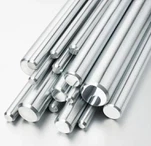
What is tungsten?
Tungsten, on the other hand, is one of the densest metals and is known for its exceptional hardness and high melting point. It is often used in applications that require the material to withstand extreme conditions, such as in the manufacture of cutting tools, armor-piercing rounds, and high-performance electrical contacts. Tungsten's density and strength make it an excellent choice for applications where durability is critical, such as mining and drilling operations.
With a melting point of up to 3,400 degrees Celsius (6,192 degrees Fahrenheit), this metal is able to maintain its structural integrity even in extremely hot environments. This property is particularly valuable in industries that require materials to operate reliably in high-temperature environments. Additionally, tungsten's resistance to wear and deformation makes it suitable for applications involving a lot of mechanical stress, further enhancing its reputation as a durable material.
Durability Comparison
Tensile Strength
One of the most critical factors in determining a material's durability is its tensile strength, which measures how much force it can withstand when stretched or pulled. Tungsten has a tensile strength of approximately 1510 megapascals (MPa), which is much higher than that of titanium, which is approximately 900 MPa. This means that tungsten rods can withstand more stress before failing, making them ideal for high-stress applications.
The difference in tensile strength is particularly important in industries such as aerospace and construction, where materials are subjected to enormous forces. For example, in structural applications, using tungsten can provide additional safety and reliability, ensuring that components will not fail under load. Conversely, while titanium may not be as strong as tungsten, its lightweight properties allow for innovative designs that still achieve high performance without adding weight.
Hardness
Tungsten also comes out on top in terms of hardness. On the Mohs scale, tungsten carbide (a compound of tungsten) has a hardness between 8.5 and 9, while titanium is around 6. This higher hardness means tungsten is more resistant to scratches and wear, making it a top choice for applications where surface durability is critical.
Tungsten's hardness makes it particularly useful in the manufacture of cutting tools and industrial machinery, where wear resistance is critical to maintaining performance and reducing downtime. Titanium, by contrast, while softer, can still be treated and alloyed to increase its hardness for specific applications. This adaptability allows titanium flat bar to be designed for a variety of uses, balancing strength and weight as needed.
Corrosion Resistance
While tungsten has a higher hardness and tensile strength, titanium's corrosion resistance is superior. Titanium forms a protective oxide layer that prevents rust and degradation even in harsh environments. This property makes titanium flat bar particularly suitable for marine and chemical applications where exposure to corrosive substances is a concern.
Titanium's ability to resist corrosion is beneficial not only in extending the life of the component, but also in maintaining its structural integrity over time. In industries such as oil and gas, where equipment is often exposed to salt water and other corrosive agents, titanium's ability to resist corrosion can reduce the need for frequent replacement and maintenance, resulting in significant cost savings.
Weight Considerations
Another aspect of durability is the weight of the material. Titanium is much lighter than tungsten, which is an advantage in applications where weight reduction is critical, such as aerospace engineering. Titanium flat bar is lightweight, making it easier to handle and install without compromising strength.
In aerospace applications, for example, reducing weight can improve fuel efficiency and performance. Engineers often look for materials that provide the necessary strength while minimizing weight, and titanium flat bar fits the bill perfectly. On the other hand, tungsten's density also offers advantages in applications where mass is an advantage, such as in counterweights or radiation shielding.

Cost Considerations
Cost is an important factor when comparing titanium flat bar and tungsten rod. Titanium is generally more expensive than many other metals, but its unique properties can often justify its cost in specialized applications. The manufacturing process of titanium also contributes to its higher price, as it requires specialized techniques to be processed effectively.
Tungsten, while more expensive, is more economical in high-wear applications due to its long service life and low replacement needs. In industries where durability is critical, the initial investment in tungsten can result in significant savings over time. Ultimately, the choice between titanium and tungsten will depend on the specific requirements of the application, including environmental conditions, weight restrictions, and budgetary considerations.
Conclusion
In summary, both titanium flat bar and tungsten rod have their own unique advantages and applications. Tungsten clearly wins out in terms of hardness and tensile strength, making it ideal for high-stress environments. However, titanium's light weight and corrosion resistance make it a better choice for applications where these properties are critical. Ultimately, the choice between titanium and tungsten will depend on the specific requirements of the application, including environmental conditions, weight restrictions, and budget considerations.
FAQs
1. Which material is stronger, titanium or tungsten?
A: Tungsten is stronger than titanium, with a tensile strength of approximately 1510 MPa, while titanium has a tensile strength of 900 MPa.
2. Is titanium flat bar more corrosion-resistant than tungsten rod?
A: Yes, titanium flat bar has excellent corrosion resistance due to the protective oxide layer it forms, making it an ideal choice for harsh environments.
3. What are the main uses of titanium flat bar?
A: Titanium flat bar is often used in aerospace, medical equipment, and marine applications due to its lightweight and corrosion-resistant properties.
4. Is tungsten more expensive than titanium?
A: Both materials are expensive, but titanium is generally more expensive due to its unique properties and processing requirements.
5. Can tungsten rod be used in electrical applications?
A: Yes, tungsten rod is suitable for electrical applications due to its high melting point and excellent electrical conductivity.